Let's be real. When you're both drowning, sex isn't on anyone's mind. Work deadlines, family caregiving, financial pressure, health issues, grief. These things don't just make you tired. They actively suppress desire at the neurological level. Cortisol floods your system. The nervous system stays locked in fight-or-flight. Your brain literally cannot access the parts responsible for arousal.
This isn't willpower or attraction. When your body stays in a chronic stress state, the hypothalamus (the gland that regulates sex hormones) downregulates. Dopamine drops. Oxytocin, the hormone that drives bonding and desire, stays low. You're both biologically unavailable, and blaming yourselves for it makes everything worse.
Here's what almost nobody tells you: restarting physical intimacy after prolonged stress doesn't happen through conversation or date nights alone. Those help, sure. But your nervous system needs a physiological reset. You need to feel safe in your body again. You need to remember that pleasure is possible without it being a production.
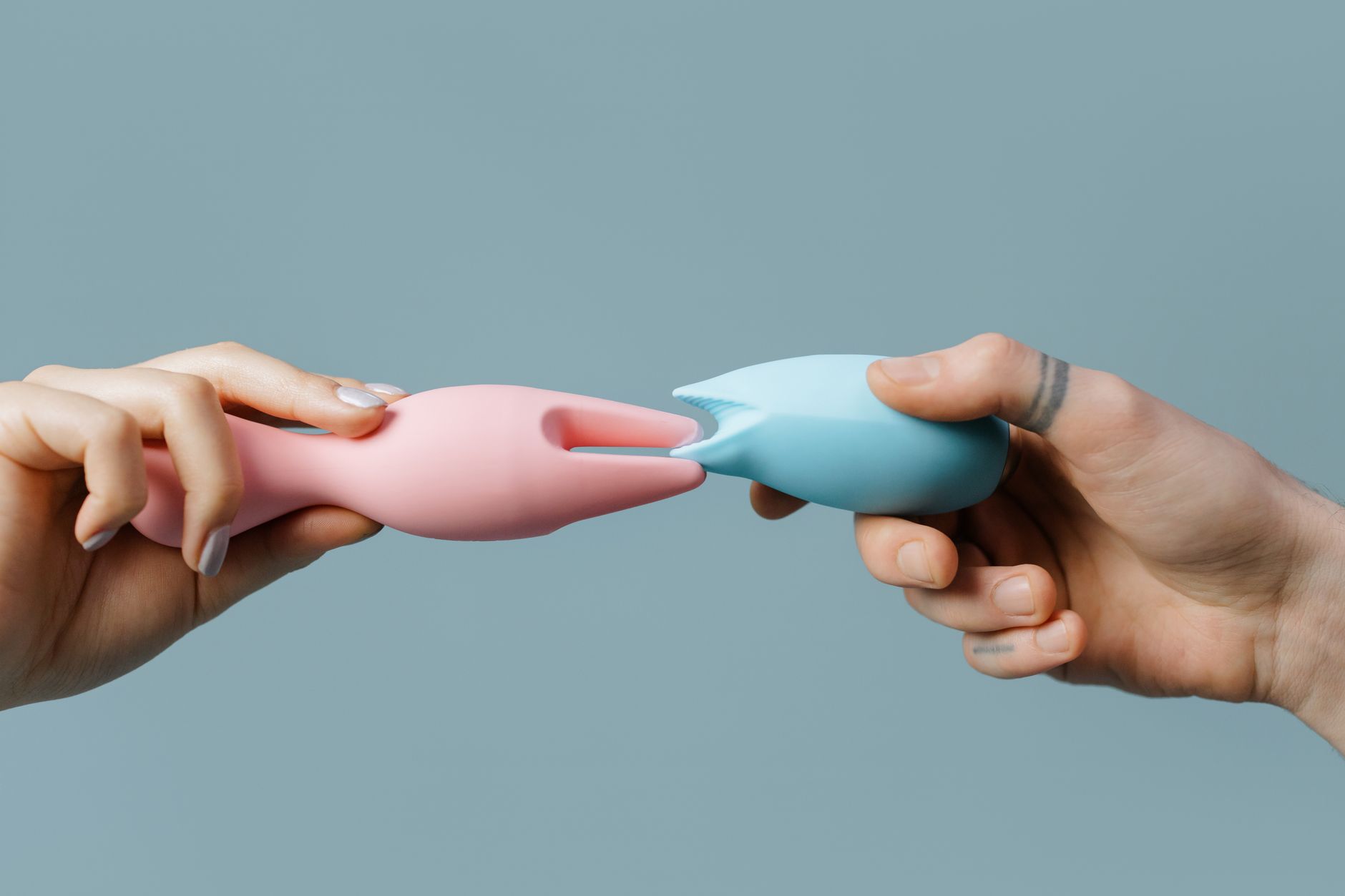
Lemon clitoral vibrators, like The Lem, are built for exactly this situation. They work differently than other adult toys. Instead of vibration alone, lemon vibrators use suction stimulation, which triggers a more complex, full-body response. This matters because suction engages more nerve pathways than traditional vibration. It feels gentler on sensitive, stress-starved tissue while still delivering intense sensation.
Three specific reasons lemon vibrators help restart intimacy after stress:
1. They lower the barrier to solo reconnection. After months without touch, the idea of partnered sex can feel overwhelming. Starting alone removes performance pressure and lets your nervous system remember what arousal feels like without an audience or expectation.
2. They create a pathway back to partnered touch. Once you've felt pleasure again solo, the psychological block softens. You remember your body is capable. Then bringing that knowledge into partnered sessions feels less like starting from zero and more like picking up a thread.
3. They bypass the"I'm too tired" trap. Stress fatigue is real and valid. Lemon vibrators work quickly and efficiently. You're not spending 45 minutes building arousal. A session can last 10 minutes and feel deeply satisfying. Efficiency removes a final obstacle.
If you and your partner are both ready to rebuild but stuck, here's a framework that actually works.
Phase one: Solo reset (1-2 weeks). Use a lemon clitoral vibrator alone. No goal except reconnecting with sensation. Spend 15 minutes a few times a week. This isn't "self-care" in the spiritual-bath-bomb sense. It's literally rewiring your dopamine and oxytocin response. You're reminding your brain that pleasure is accessible.
Phase two: Parallel play (1-2 weeks). You and your partner are in the same room, touching yourselves or each other, but not having intercourse. This removes the performance pressure of partnered sex while rebuilding comfort with being seen. A lemon vibrator makes this less awkward. It's clear you're present and engaged, not performing.
Phase three: Slow partnered reconnection (ongoing). Once you've both remembered what arousal feels like, you reintroduce partnered touch. Lemon vibrators stay in the mix. Many couples find that having a vibrator present, especially one designed for suction like The Lem, shifts the dynamic from goal-focused to sensation-focused.
Sometimes prolonged stress doesn't just kill intimacy. It corrodes trust. You've both been alone in your stress. You've maybe snapped at each other, withdrawn, forgotten to show up emotionally. Now restart sex feels like admitting the distance, which feels vulnerable in a way that's almost harder than the physical reconnection.
This is where I recommend a slightly different approach. Before phase one, spend time talking about what happened. Not blaming. Factual. "Work consumed you. I felt unseen. That created distance." Name it. Then: "I want us to rebuild this, but I need to know it's safe." That conversation opens a door. The physical reconnection through solo play and then partnered touch seals it.
A lemon clitoral vibrator becomes less about fixing desire and more about a symbol that you're both willing to try.
Here's something I've learned in 20 years of couples work. People expect recovery to look like a curve. Slow improvement, then back to normal. What actually happens is more like stair steps. You'll have a great week. Then stress hits again and you slip backward. That's normal. The difference between recovery and relapse is whether you acknowledge the slip as temporary or treat it as proof you're broken.
If you're three months into rebuilding and a work crisis tanks desire again, that doesn't mean you failed. It means you need to return to phase one for a few weeks, then move forward again. Lemon vibrators are useful precisely because they work at any point in the cycle. They don't require relationship perfection. They just require five minutes of privacy and willingness.
How long does it actually take to rebuild physical intimacy? Three to six months is realistic. The first month is about remembering sensation is possible. Months two and three are about rebuilding trust and comfortable touch. By month four, most couples find sex is happening again, though it may feel different (often better, actually, because you're more present). Months five and six are about integrating this back into regular life without it becoming obligation again.
Is it normal that desire still feels fragile? Completely. Stress-blocked desire doesn't just flip back on. It opens slowly, like a door swinging. Some days it feels solid. Other days something minor (a deadline, family drama) and it closes a bit. The work is keeping that door open even when it's tempting to slam it shut.
Can you use a lemon vibrator if you've never used one before? Absolutely. Start on the lowest intensity setting. The suction feels different than vibration. Most people find it gentler on stressed tissue. Use water-based lubricant. Spend your first few sessions just exploring the sensation without any goal. This is discovery, not performance.
What if your partner feels threatened by the idea of a vibrator? This is worth a real conversation, not a workaround. Often, partners worry a vibrator means their touch isn't enough. Here's the truth: stress has made your nervous system less responsive, not your partner less attractive. A lemon vibrator is a tool for waking up sensation, not a replacement. Some couples find that using one together actually strengthens connection because they're both working toward the same goal.
Should intimacy feel the same as before the stress? No. And that's actually good news. Most couples tell me that sex after rebuilding it through stress feels deeper. You've both been in the trenches. You understand fragility. That produces more presence, less rushing. Let it be different.
Can you rebuild intimacy without a vibrator? Yes. But after prolonged stress, the nervous system needs efficient help getting back online. A lemon clitoral vibrator accelerates the process because it delivers sensation without requiring the same level of arousal to feel good. That's the efficiency factor that matters when you're both running on empty.
Let me be clear about something. A lemon vibrator isn't going to fix your relationship. It won't resolve the underlying stress or the patterns that stress created. What it does is give you a door back into the physical realm when stress has sealed that door shut. The real work is the conversation, the willingness to show up even when you're scared, the acceptance that rebuilding takes time and won't be linear.
But when you're both ready to try, when you both want to find your way back to physical intimacy, lemon vibrators work. They work because they're designed for sensation that feels good even when your nervous system is still coming online. They work because they remove shame and performance pressure. They work because they're efficient in a way that respects the reality of your lives right now.
If you're reading this because you and your partner have drifted during a stressful season, know this. You're not broken. Your desire isn't dead. It's just sleeping. And it can wake up again.
A year of distance is significant, but recovery is still possible. The difference is you may need more time in phase one (solo reconnection). If a year has passed, the disconnection is usually both physical and emotional. Plan for four to six months of rebuild time instead of three. A lemon clitoral vibrator helps because it removes the pressure of having to be "aroused enough" for partnered sex right away. Solo sessions with a lemon vibrator let you remember pleasure exists before you invite another person back into that space.
Yes. In fact, it's recommended. When couples have experienced prolonged disconnection, solo reconnection is often easier than jumping straight back to partnered sex. Using a lemon vibrator alone isn't cheating or rejecting your partner. It's healing. Once you've both had a chance to remember what arousal feels like individually, partnered sessions often feel more natural and less pressured.
Absolutely. Anxiety about performance is one of the biggest barriers to restarting intimacy. A lemon clitoral vibrator helps because it shifts focus from performance to sensation. Instead of thinking "Will this work? Am I aroused enough?" you're just experiencing what the vibrator does. That sensory focus often quiets the anxious thoughts enough to let arousal return.
It depends on your relationship style. If you tell each other most things, yes. If you keep solo intimate habits private, that's valid too. What matters is that both partners know you're working on reconnection. Whether the specific tool is discussed is a matter of comfort and communication style. Some couples find that using a lemon vibrator together accelerates the process, so they choose to involve the partner. Others do the solo work first, then introduce the tool together later. Either approach works.
Look for these signs: you're consistently having solo sessions without it feeling like a chore, arousal is returning (even if it's still slower than before), and you feel curious about your partner's body again rather than anxious. That's your signal. You might start with "parallel play" where you both use a vibrator in the same room but separately, then progress to using one together during partnered touch.
Then you may need professional support. A therapist trained in couples work can help identify what's blocking desire. Sometimes it's not just stress. Sometimes there's relationship damage that needs addressing, or sometimes one partner is dealing with depression or hormonal changes that need medical attention. A lemon vibrator is a great tool for reconnection, but it's not a substitute for therapy if deeper issues are present.
Rebuilding physical intimacy after prolonged stress is possible. It's not fast. It's not always linear. But it's absolutely doable if both partners are willing to be vulnerable and patient with the process.
Start with the framework. Solo reconnection first. Then parallel play. Then partnered touch. Let a lemon clitoral vibrator be your tool for the early phases, when your nervous system is still learning that pleasure is safe again. The Lem is designed for exactly this kind of gradual, sensory-focused reconnection.
If you're ready to take this seriously and want guidance beyond what you can figure out alone, we're here. Reach out at /contact and let's talk about what your specific situation needs.
You and your partner can find your way back. It just takes intention, patience, and the right tools.