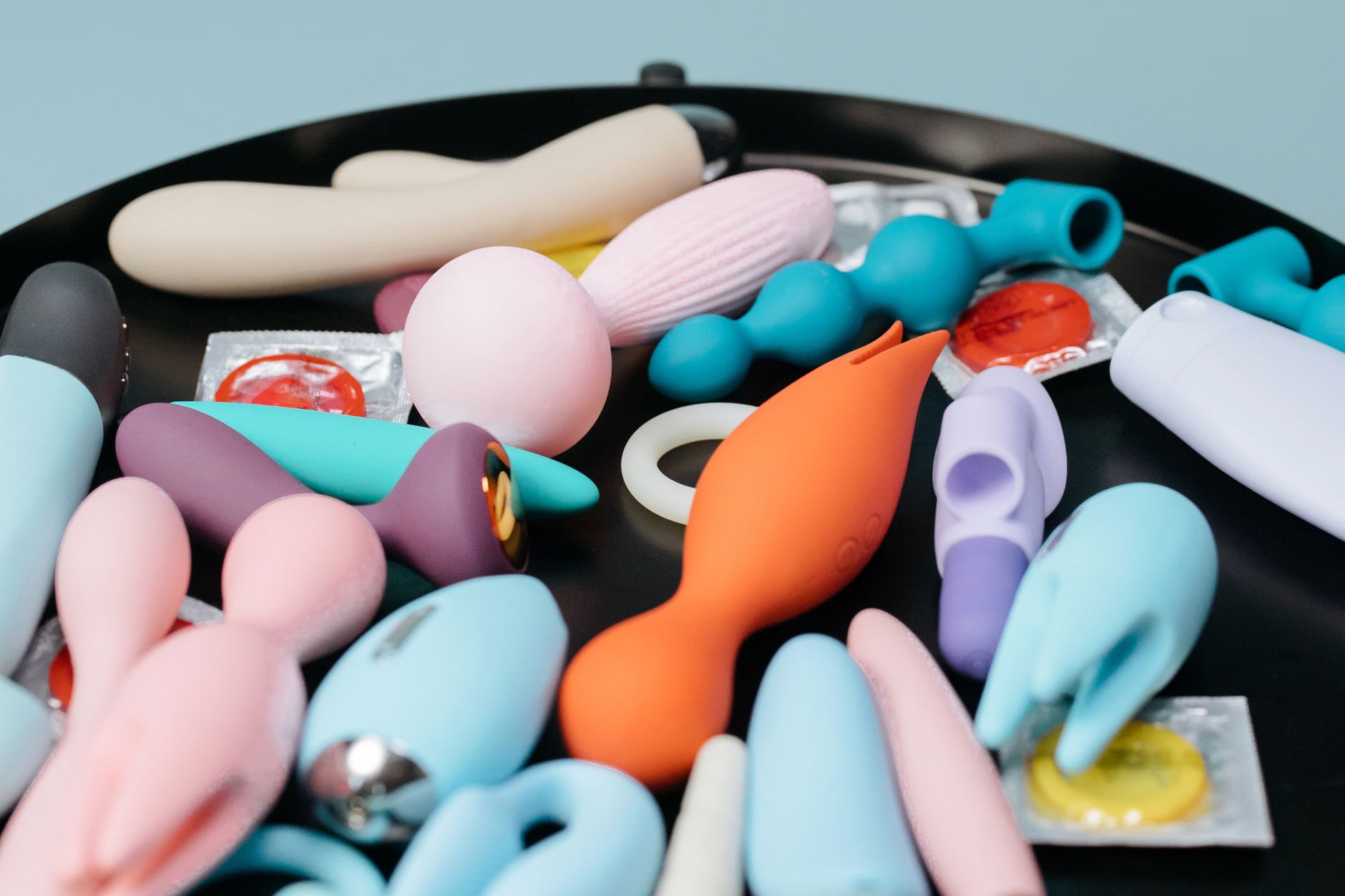
How Long-Distance Partners Use Lemon Vibrators to Stay Connected
Physical distance doesn't have to mean emotional or sensual disconnect. Here's how couples are using clitoral vibrators like the Lem to maintain real intimacy across miles.
Let's be real. Long-distance relationships are hard on bodies. The physical intimacy that anchors so much of a partnership gets compressed into visits and phone calls. But here's what I've seen with couples who stay connected through distance: those who find ways to share pleasure, not just conversation, tend to have stronger foundations when they're finally in the same room.
Lemon vibrators, and specifically clitoral vibrators like the Lem, have become a quiet game-changer for long-distance couples. They're not a substitute for being together. They're a bridge. And the difference matters.
When you're apart, the usual pressure to perform or coordinate around a partner's timeline dissolves. That's actually freeing. You can explore what your body needs without negotiating in real time. Lemon clitoral vibrators offer something most other sex toys don't: they work quickly and reliably, which means less time thinking about whether it's "working" and more time actually feeling.
Clitoral vibrators like the Lem use air-suction technology, which stimulates nerve endings without direct friction. This matters for remote play because the sensations are concentrated and responsive. You know within seconds if this is hitting the spot, which means less frustration and faster access to actual pleasure. When your partner is watching through a screen or waiting to hear about the experience, that efficiency translates to confidence.
There's also something psychological happening here. Orgasms from clitoral stimulation tend to be more visible, more vocal, more immediate. If you're both present remotely, that responsiveness creates a feedback loop. Your partner gets to witness and participate in your pleasure in a way that feels real, not theoretical.
Okay, so how does this actually work? There are a few approaches couples use, and I'll walk through what tends to be sustainable.
Video together, toys present. The simplest version: you video call, both of you are touching yourselves, and you're present for each other. This requires trust and comfort with being seen, even pixelated. It also requires low distractions and explicit consent from both people about what they're comfortable with. If you haven't talked about filming or recording anything, that's off the table entirely.
Solo session, shared intention. One partner uses the lemon vibrator at a time they've agreed on, and the other is doing the same (or something else). You check in afterward, share what felt good, and feel like you were intimate even if you weren't actively watching each other. This works better for couples who feel awkward performing for a camera.
Timed experiences. You both plan to use lemon clitoral vibrators at the same time, maybe while texting or on a low-volume call. The simultaneity creates closeness without the pressure of real-time performance. Lots of couples prefer this because it feels intimate but less exposed.
The common thread: you've both agreed on what you're doing and why. "Surprise me with your toy" rarely goes well. Intention and consent are what make remote intimacy feel connected instead of transactional.
Here's what I tell couples navigating distance: your body is still yours, but your pleasure can include someone else's presence. That's the whole point.
When you use a lemon vibrator with your partner involved remotely, something shifts in your brain. You're not just giving yourself an orgasm. You're building a memory together. You're creating a new form of intimacy that exists nowhere but in your relationship. Long-distance couples who do this often tell me it feels more intentional than sex they have when they're in the same city, because it requires explicit communication and consent at every step.
Using a clitoral vibrator like the Lem also reframes what physical intimacy means. It's not "we both have to be present for it to count." It's "we're choosing to be connected right now, in this way." That distinction is huge for long-distance relationships, where physical presence is the bottleneck, not desire.
Invest in a quality vibrator. Cheap toys that take forever to charge or lose power mid-session introduce friction you don't need. The Lem holds a charge well and has intuitive settings. That reliability matters when you're managing a remote experience.
Establish a signal. Some couples text a particular emoji or message when they want to connect this way. It eliminates ambiguity and makes the experience feel like foreplay instead of a random request.
Discuss boundaries beforehand. Can you send photos afterward? Is video required? Can one person opt out? These aren't mood-killing conversations. They're exactly what makes remote intimacy feel safe.
Schedule it, don't force it. Spontaneity is nice when you're in the same house. When you're thousands of miles apart, planning actually creates anticipation. "Friday at 9 p.m., my time" gives both of you something to look forward to.
Remember that it's not a performance. If the lemon vibrator doesn't feel amazing one time, that's normal. If you don't orgasm, that's also normal. The goal is maintaining connection and pleasure, not proving anything to your partner.
I've worked with dozens of couples maintaining intimacy across distance, and the ones using tools like lemon clitoral vibrators consistently report the same thing: when physical intimacy feels impossible, intentional pleasure-sharing keeps the relationship from becoming roommate-like. You're not just texting about your days. You're building something sensual together.
They also report less resentment. When one person is craving physical touch and the other is 2,000 miles away, that frustration can calcify into anger. But couples who find ways to maintain sexual connection, even remotely, tend to navigate that distance with more grace. The pleasure isn't a substitute for being together. It's proof that the desire is still there.
One thing I always mention: using clitoral vibrators remotely can actually improve the sex you have in person. Here's why. You've been communicating explicitly about desire and pleasure for weeks or months. You've both been thinking about your bodies and what feels good. You've built anticipation. When you're finally in the same bed, you're not starting from scratch. You're continuing a conversation.
Many couples find their first in-person reunion after months of remote intimacy is more satisfying than they expected, partly because they've been maintaining the connection instead of letting it go dormant.
If remote intimacy using lemon vibrators starts feeling like a chore, or if one person is consistently uncomfortable, that's a sign to talk. Long-distance relationships require ongoing honesty about what's working. Maybe you need to talk more directly about what you both want, or maybe the remote intimacy approach needs to shift. The point is to notice and adjust, not to power through.
For some couples, this works perfectly. For others, it's one tool among many. The key is figuring out what maintains your connection and your pleasure, given the constraints you're working with.
Yes, if you're both consenting and trust each other completely. Use a secure platform (not public Zoom calls), and assume anything on screen could theoretically be screenshotted. If either of you feels uncomfortable being recorded or seen, don't do it. Remote intimacy doesn't require video.
Then respect that. Not everyone wants to use toys, and that's valid. You can maintain remote intimacy through other means: sexting, talking about desire, touching yourselves separately but intentionally, or just maintaining emotional closeness while you wait to be together. The vibrator is a tool, not a requirement.
It varies wildly. Some couples do it weekly, others monthly, some only when they're feeling disconnected. There's no "right" frequency. It's whatever feels consensual and sustainable for both of you. More often doesn't equal more connected.
Not at all. Plenty of long-distance couples maintain intimacy by using toys separately and sharing afterward. Your solo pleasure and your partnered pleasure are both valid, and combining them (by telling your partner) can create closeness without requiring real-time presence.
Laugh, reschedule, and try again. Technical glitches are annoying but not catastrophic. The intimacy isn't in the perfection of the experience. It's in the intention. If the call drops, text. If the vibrator dies, that's what next time is for.
No. Nothing replaces being in the same body. But they can maintain the sexual current in your relationship while you're apart, which means you're not starting from zero when you're finally together. That matters.