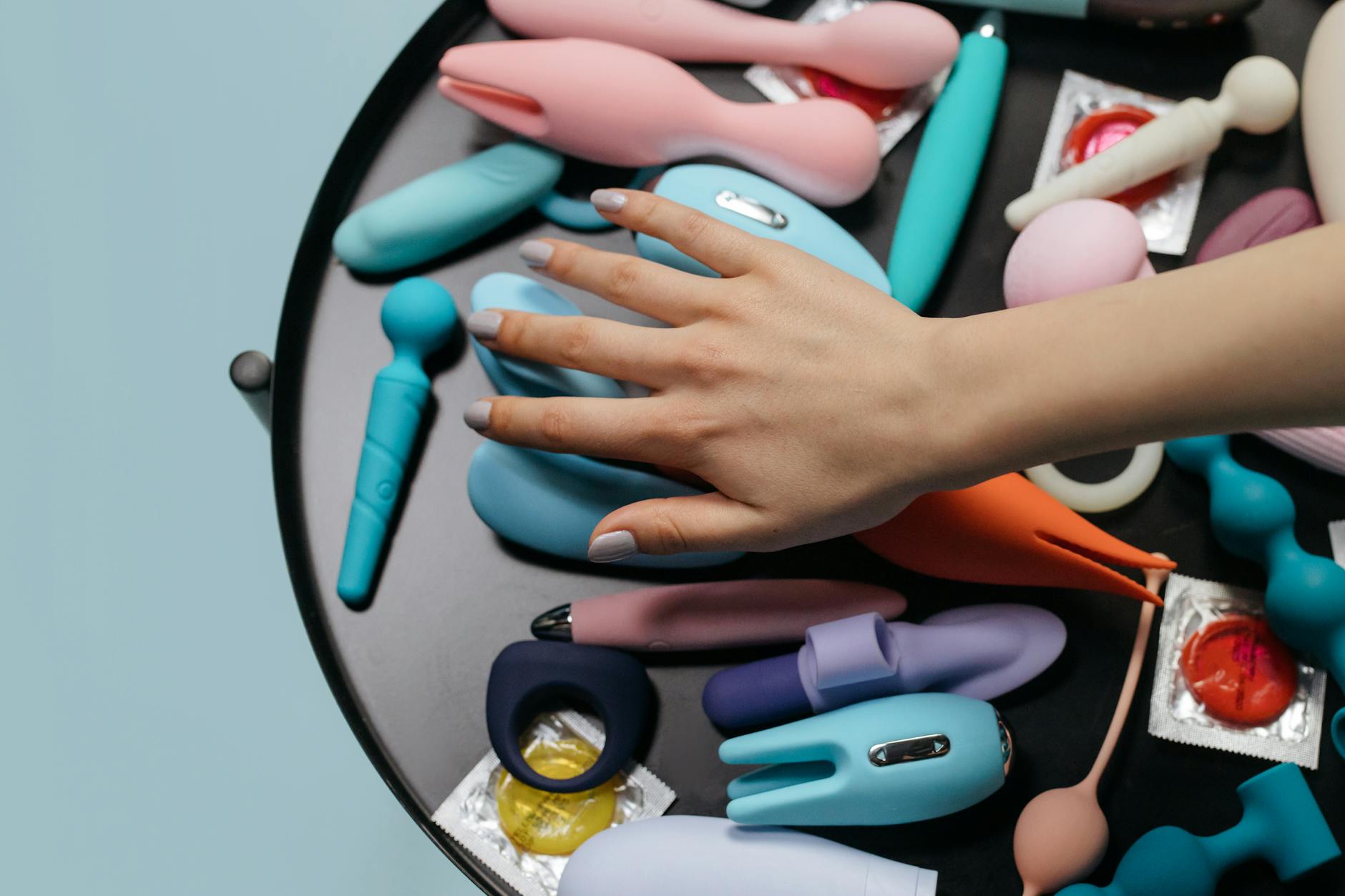
More power equals more pleasure. It doesn't. In fact, the opposite is often true, especially when you're introducing your body to a lemon vibrator for the first time. I've worked with countless clients who grabbed the highest intensity setting on their first try, felt overwhelmed, and then avoided the device for months. That's not a reflection on the toy or on you. It's about matching intensity to readiness.
Here's what actually happens when you go too hard too fast: your nervous system contracts. Arousal stalls. You end up chasing a sensation that's no longer there, frustrated and tense. The lemon vibrator is brilliant technology, but technology without strategy feels like performance, not pleasure.
When I talk about intensity with my couples and solo clients, I'm talking about three things: the frequency of vibration (how many pulses per second), the pattern variety (rhythms versus steady buzz), and the concentration of those vibrations in one spot. The Lem, one of the most popular lemon sexual toys, offers multiple intensity levels specifically because one person's perfect setting is another person's "turn it down now."
Your clitoris has about 8,000 nerve endings packed into a space smaller than a pea. That's a lot of sensitivity in a very small area. When you're new to clitoral vibrators, your nervous system hasn't calibrated yet to what these sensations actually feel like. Your body is still learning the language.
This is where beginners get stuck. You buy a lemon clitoral vibrator thinking you'll immediately feel what everyone's been talking about. Instead, you feel... confused? Numb? Too much? That's not failure. That's just your body asking for a different approach.
Start at setting one or two out of whatever range your device offers. I know that sounds timid. It's not. Here's why: you're not looking for the sensation that makes you come the fastest. You're looking for the sensation that makes you stay present and curious.
When you start at a lower intensity, you can actually feel the vibration exploring different spots. You notice what happens when you angle it slightly. You discover whether you prefer steady pulse or rhythm. You're gathering data about your own body, not being overwhelmed by sensation.
I recommend spending at least two to three sessions at each intensity level before moving up. Some people stay at level two or three forever. That's perfect. The goal isn't to reach some imaginary finishing line at maximum power. The goal is to find the setting where pleasure feels accessible, not like work.
Your body's sensitivity to vibration is partly neurological and partly psychological. If you jump from setting one to setting five in one week, you're asking your nervous system to adapt too fast. But if you spend a few sessions at each level, your brain actually gets better at receiving the sensation. It stops feeling alien and starts feeling good.
This is especially true if you're new to clitoral stimulation altogether. Your pelvic floor might be holding tension you don't even know about. Moving too fast means that tension locks in harder. Moving slowly means you have time to notice "oh, I'm gripping right now" and actually relax.
Think of building intensity tolerance like tuning an instrument. You're not trying to make the loudest sound possible. You're looking for the frequency where everything resonates.
Half of intensity is what you're feeling physically. The other half is what you're telling yourself about what you're feeling. When you start at a lower setting, you're more likely to stay in your body instead of jumping into your head.
Here's what I hear from clients who start too high: "It felt numb," or "I couldn't focus," or "I felt like it wasn't working." What's actually happening is their brain is processing so much stimulation at once that it can't localize the sensation. It's like trying to read a text message in a nightclub. The information is there, but you can't absorb it.
When you start lower, you stay present. You can feel subtle changes in sensation. You're more likely to notice what actually turns you on, rather than just chasing sensation. That mental component is what separates a vibrator from a tool that actually connects you to pleasure.
Many lemon vibrators, including popular models like the Lem, offer multiple vibration patterns alongside intensity levels. Patterns are rhythmic variations. Some are pulsing. Some are waves. Some are erratic bursts. Steady buzz is constant vibration at a given intensity.
For first-time users, I usually recommend starting with steady buzz at a lower intensity. Patterns can be wonderful, but they also add complexity when you're still figuring out your baseline. Once you know what steady pressure at level two feels like, then you can play with patterns and find your favorite.
Some people discover they prefer patterns immediately. Others never want to leave steady buzz. Both are right. Your preference isn't a reflection of anything except your preference.
When you're using a lower intensity lemon clitoral vibrator, lubrication becomes more important, not less. At higher intensities, friction can feel like part of the sensation. At lower intensities, a tiny bit of lubrication helps the vibration transmit more smoothly to nerve endings.
Use water-based lubricant. A small amount is plenty. This simple step often makes the difference between "I don't feel much" and "oh, that's really nice." It's not that the lower setting suddenly becomes powerful. It's that lubrication helps your body actually receive the sensation without friction getting in the way.
Intensity isn't just about the vibrator's settings. It's also about how you're holding it and where you're placing it. The clitoris is shaped like an inverted V, with most of the sensitive tissue hidden under a hood. Direct, centered pressure from directly above can feel intense. Angled pressure from the side might feel gentler at the same intensity setting.
When you're starting out, experiment with angle. Try it directly above, then angled. Try it on the hood versus on the exposed part of the clitoris itself. One angle at setting two might feel perfect, while a different angle at the same setting feels too much. This is valuable information about your body. Spend time here.
You're ready to try a higher intensity when three things are true: (1) you can reliably feel sensation at your current level, (2) you've had enough pleasure at this level that you feel satisfied sometimes, and (3) you're curious about what the next level feels like, not desperate for more sensation.
If you're still chasing feeling at your current level, moving up won't help. If your nervous system is satisfied where you are, staying put is the right call. If you're genuinely curious about exploring more, then it's time.
Move up one level at a time. Use that new level for a few sessions before deciding. Your body needs time to learn. This might sound slow. It's actually the fastest route to discovering what you really enjoy, because you're building sustainable sensation instead of chasing a moving target.
Comparing yourself to partners. Your partner's ideal intensity is their ideal. Yours is yours. Completely independent. I've seen so many people assume higher intensity means better pleasure and push themselves past what actually feels good. That's self-abandonment disguised as experimentation.
Assuming numbness means the device is broken. If you don't feel much at low intensity, that's usually not a device problem. It's a readiness problem. Your nervous system needs more time. Sometimes it helps to take a longer warm-up period before turning on the vibrator at all.
Giving up after one session. Pleasure with a new device is often a process. I recommend giving yourself at least three to five sessions at your starting intensity before deciding it's not for you. Your body needs time to recognize this sensation as safe and pleasurable.
I've worked with clients who have the strongest orgasms at setting one. I've worked with others who want to start at setting four. Neither group is wrong. Your ideal intensity is determined by your neurology, your arousal level that day, what's happening in your relationship, whether you've had enough sleep, how you feel about your body right now.
All of it matters. A lemon vibrator is responsive technology, which means it works best when you're responsive to yourself. That means checking in with what feels good today, not what felt good last week or what you think should feel good.
Yes, especially if you're brand new to vibrators. Your clitoris has a lot of sensation potential, but that potential needs to be activated through nervous system awareness. Starting at a lower intensity and staying there for multiple sessions actually helps your brain recognize and amplify the sensation you're getting. The numbness usually passes within a few days of regular use.
Not necessarily. Orgasm speed and sensation pleasure are different things. Some people come faster at lower intensities because their nervous system can focus better. Others need higher intensity to reach orgasm. The "best" intensity is the one where you feel most connected to pleasure, whether that leads to orgasm in two minutes or twenty.
Welcome to normal. I've rarely met a couple with identical ideal settings. The solution is simple: when you're together, find a setting you both enjoy (usually somewhere in the middle range). When you're solo, use whatever feels best to you. Your solo intensity doesn't have to match your partnered intensity. They're separate conversations.
Your clitoris is remarkably resilient. That said, sustained high-intensity stimulation for very long periods can cause temporary numbness or irritation. If you notice that, take a break for a day and start again at a lower setting. Your sensitivity will return. There's no permanent damage from vibrator use at any intensity level, but comfort and pleasure matter more than pushing limits.
Ask yourself: am I enjoying this sensation right now, or am I chasing a sensation I think I should enjoy? If it's the second one, you might be impatient. Stay at your current level for one more session. If it's the first one and you're genuinely curious about more, then go ahead and explore.
There are a few possibilities. You might need more warm-up time mentally. You might benefit from more lubrication. You might need to experiment with angles and positioning. You might need to take a break and come back to it later. And honestly, vibrators aren't for everyone, and that's completely fine. The Lem and other lemon clitoral vibrators are designed for pleasure, not obligation.
Intensity isn't a destination. It's a conversation with your own body about what feels good right now. That conversation changes. What worked wonderfully last month might feel different this month based on stress, hormones, your relationship, what you've been thinking about. That's not a problem. That's your body being responsive and alive.
Start low. Stay curious. Move slowly. Notice what actually feels good, not what you think should feel good. That's how you find your intensity, and more importantly, that's how you stay connected to your own pleasure. Everything else follows from that.
If you want to talk through what might work best for your specific situation, reach out anytime. Pleasure strategy is my favorite conversation.