Let's start with why this feels so hard
Introducing lemon vibrators or any clitoral vibrator to a partner triggers every fear at once. You worry they'll feel insulted ("Am I not enough?"). You worry they'll judge you ("Does this make me seem desperate?"). You worry you'll say it wrong and create ten minutes of terrible silence.
Here's what I've learned from years of working with couples: the conversation isn't actually the problem. The silence before it is.
Why partners often hear it wrong (and how to prevent that)
When someone suggests introducing a toy into sex without context, the receiving partner's brain goes to the worst-case interpretation first. They hear rejection instead of expansion. They hear "something's missing" when what you actually mean is "I want to add something."
This happens because sex is still weirdly loaded with ego. We've been taught that desire comes from the other person and that toys are somehow an indictment of their capacity to satisfy you. Obviously that's not rational. But rational thought doesn't run the show during these conversations. Fear does.
So the first move is reframing. Not lying, but being honest about what you actually want: better sex together, more pleasure, less pressure. When the frame changes, the defensiveness drops.
The three conversation starters that work
1. Lead with enthusiasm, not complaint.
"I read this article about clitoral stimulation and I got really curious about trying something new together" is infinitely better than "I'm not satisfied with our sex right now." Same action, completely different emotional landing.
The magic is specificity. Don't say "I want to use toys." Say "I'm really interested in lemon clitoral vibrators. I read that the suction feel is super different from vibration, and I want to try it with you."
Why this works: you've done the homework. You're not asking them to figure out what you want. You're inviting them into something you're already interested in. It shifts the dynamic from "fix me" to "explore with me."
2. Make it about shared discovery, not your solo fantasy.
"I've been thinking about what would feel amazing for us, and I want to try this together" is collaborative. "I want to use this on myself while you watch" creates distance.
I'm not saying you can't have solo practices or fantasies. You absolutely can. But the introduction conversation is not the place to center that. You're building trust that toys are for both of you, not just for you.
3. Ask for their input instead of presenting a fully formed plan.
"I've been thinking we could try incorporating clitoral vibrators into our sex life. What do you think? Have you ever thought about it?" opens the door instead of closing it.
Watch the difference between "I want to use this lemon vibrator" and "Would you be interested in trying something like this together?" The second one is a conversation. The first is an announcement.
Timing matters more than you think
Don't drop this conversation during sex. Don't drop it during a fight. Don't drop it on a Tuesday morning before they've had coffee.
Drop it during a relaxed moment when you're already talking about sex or relationships. After a really good sex session, when you're lying there feeling connected. During a car ride where you can talk without making eye contact, which weirdly makes these conversations easier.
The setting tells them whether this is urgent or exploitative or just an idea you're floating. Casual timing equals casual acceptance.
What to do if they respond with "Why?"
This is the most common response and it's not rejection. It's caution. They're asking you to help them understand the intent.
Good answers:
"I get so in my head during sex sometimes, and I've read that clitoral vibrators help people stay present. I want to be more in my body with you."
"I love our sex life and I want to add something that lets me experience a different kind of pleasure. I think it could be fun to explore together."
"Honestly, I'm curious. I've never tried anything like this and I'd love to with you instead of alone."
Notice what's happening here: you're not defending the toy. You're explaining what you want from the experience. Toys are just the vehicle.
Address the actual worries directly
If they're worried you're not satisfied, say that directly. "I'm satisfied with you. I want this because I'm curious, not because something's wrong." If they're worried about their role, clarify. "I want to try this together. I want you involved, whether that's you using it, watching, or figuring it out as we go."
Don't wait for them to ask these questions. Volunteer the answers. It shows you've thought this through and it isn't a spontaneous flight of fancy.
The demo approach (if they're nervous)
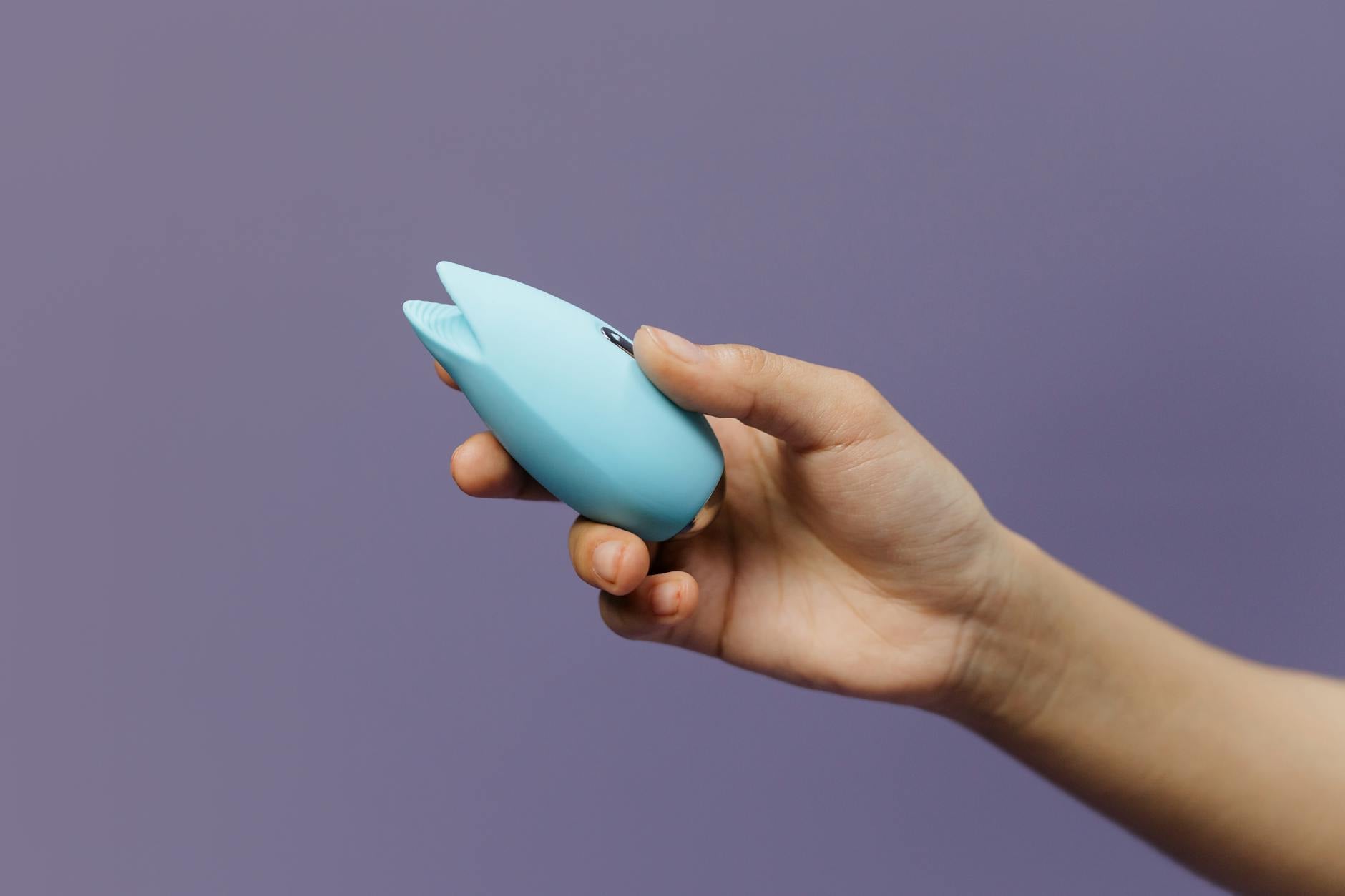
Some partners need to see the thing before they agree to anything involving it. That's reasonable. Show them the toy. Explain how it works. Let them ask questions. You can talk about how lemon clitoral vibrators use suction instead of traditional vibration, which feels totally different and why you're interested.
This isn't sexy. It's not meant to be. It's practical and it dissolves a huge chunk of the mystery and weirdness.
What "yes" sounds like (and what it might not)
A real yes is "Okay, let's try it" or "Yeah, I'm interested in that" or even "I'm nervous but I want to try."
A "yes, but" that contains actual hesitation needs space. "Yeah, but I'm not sure I want to... right now" isn't rejection of the idea, it's a request for time. Give it to them.
If the answer is actually no, that's information too. You can ask why, but don't argue the point. You can circle back in three months. People's comfort levels shift.
Here's the thing about introducing anything new to your sex life with a partner: the conversation matters more than the toy. When you approach it with curiosity instead of demand, with honesty instead of manipulation, most people rise to meet that. They might be nervous. They might take time to warm up. But they'll respect you for being direct.
Making the first experience feel good
Once they've said yes, don't make it a production. You don't need to light candles and put on a playlist and make it a whole thing. Just try it the next time you're intimate, the way you'd try anything new. If it's awkward, laugh about it. If it feels good, notice that.
You might read about how lemon vibrators work differently when you're exploring together for the first time with your partner. Some partners find they love being the one to use the toy on you. Some prefer watching. Some want to use it on themselves while you're together. You'll figure out what works as you go.
When the conversation goes sideways
If they get defensive or angry, that's usually not about the toy. It's about something else. Maybe they have unprocessed insecurity about sex. Maybe they're stressed about work and took it personally. Maybe they grew up in an environment where sex toys were shameful.
This isn't the moment to push. This is the moment to pause and ask what's actually happening. "You seem upset. Can we talk about what you're feeling?" Then listen. The toy conversation can wait. The relationship conversation can't.
FAQ
How do I know if my partner will be open to this?
You don't, which is why the conversation matters. Pay attention to how they talk about sex in general. Do they seem curious about trying new things? Do they respond well to you bringing up relationship or intimacy topics? If they shut down or get defensive about sex conversations normally, you might want to start smaller. But often people surprise us when we give them honest information and treat them like collaborative partners.
What if I've been wanting this for years and never said anything?
That's not unusual. People sit with desires for way too long because they're afraid. The good news: time passed, but the conversation structure is the same. Lead with enthusiasm, not regret. "I've been curious about this for a while and I finally want to explore it" beats "I've wanted this forever and never told you."
Should I buy the toy before I ask them?
No. Asking first shows respect and inclusion. Buying it first can feel presumptuous. Ask first, buy together if they're interested. Shopping for lemon clitoral vibrators together can actually be a fun bonding experience.
What if they say yes but seem uncomfortable during the actual experience?
Stop. Check in. "How are you feeling? Do you want to keep going or take a break?" Comfort can shift in real time. You're not failing if you pause. You're actually building trust by paying attention to consent in the moment.
Is this different if we haven't been together very long?
Yes, timing is important. You don't need to introduce toys on the third date. But if you've been together for a few months and you're comfortable with each other, it's fair game. Use the same approach: curiosity, honesty, collaboration.
What if they want to use it on me but I wanted to use it on myself?
You can do both. You can take turns. You can do it solo sometimes and together other times. Pleasure doesn't have to be synchronized. What matters is that you're both consenting and both getting something out of it.