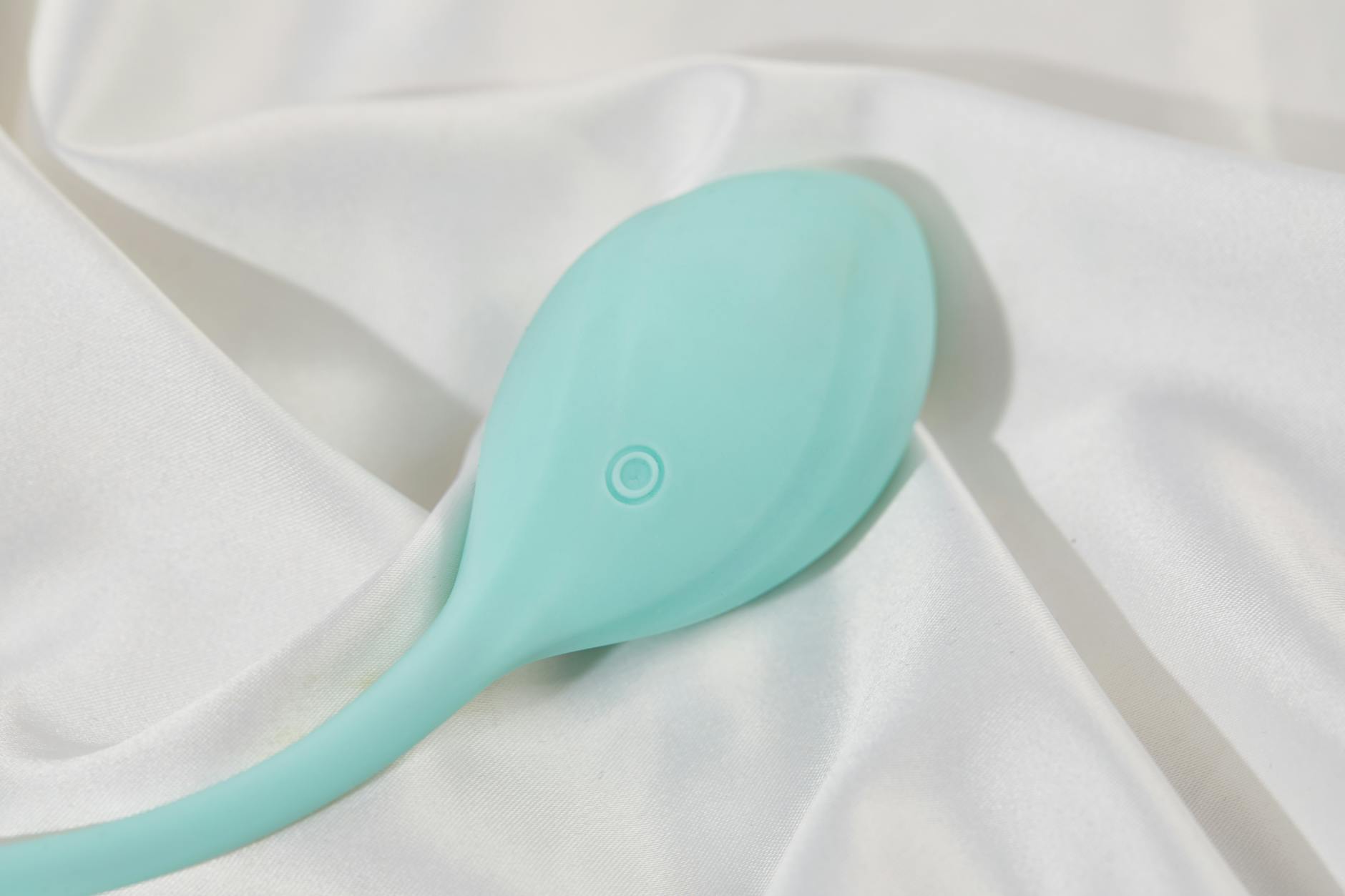
How to Use a Lemon Vibrator Over 40 After a Long Sexual Break
Your body isn't broken. Your desire isn't gone. Here's how to rebuild arousal, reconnect with pleasure, and navigate the specific challenges of returning to sex in midlife.
It's not that your body forgot how to respond. It's not that desire is permanently gone. What actually happens is you've been living in a holding pattern for so long that the pathway from "thinking about sex" to "having sex" has gotten quiet. Not broken. Quiet.
I've worked with hundreds of women and their partners navigating this exact transition. Someone gets divorced, or a long marriage cools, or life stress just swallows intimacy whole, and then two, five, ten years pass. By the time someone's ready to explore pleasure again, they're carrying a specific kind of doubt: will my body even know what to do anymore?
It will. But there's a smarter way to reawaken that response than jumping straight back in.
Tissues thin slightly. Arousal takes longer to build. Your nervous system is more reactive to stress and less forgiving of pressure. Hormonal shifts, whether from perimenopause or just aging, change lubrication and clitoral sensitivity. These aren't obstacles. They're information you need to work with, not against.
The clitoris doesn't lose nerve density with age. The capacity for orgasm is there. What changes is how efficiently your body gets from zero arousal to full arousal. You need a longer runway. And you need stimulation that meets your body where it actually is right now, not where it was at 25.
That's where a lemon clitoral vibrator becomes genuinely useful. It's not a magic fix. It's a precision tool for a specific job. The suction technology in devices like the Lem works by stimulating without requiring the friction sensitivity that can feel overwhelming on tissue that's been inactive for years.
Let's name the invisible part: returning to sex after a long break comes loaded with shame, grief, or pressure that has nothing to do with your clitoris.
Maybe you're restarting solo after a divorce and carrying guilt about wanting pleasure again. Maybe you're with a long-term partner and restarting together means confronting how distant you've become. Maybe it's been so long that you're genuinely embarrassed about how your body looks now, or you're worried you won't be able to orgasm and that failure will cement your belief that your sexual life is over.
None of this is about technical skill or your vibrator. It's about permission. You need to give yourself permission to spend time on this, to prioritize it, and to approach it with curiosity instead of performance pressure.
Week one: solo exploration, zero pressure. Block 20 minutes. No partner, no distractions, no goal. Just you and the idea of remembering what pleasure feels like. You can be clothed. You can be in bed or on the couch. The job is to notice what happens in your body when you think about touch, not to achieve anything.
Week two: introduce a lemon vibrator at low intensity. Start with pattern 1 or 2. The lem vibrator's air-suction design doesn't require you to be fully aroused to feel good. Use it over underwear or through clothing if that feels safer. Spend 10 minutes just noticing sensation without trying to build toward anything. Your brain might feel foggy about arousal. That's normal after years away.
Week three: adjust the environment and routine. Most people over 40 who are restarting need more time and fewer distractions. Shower first. Use a little water-based lubricant. Create a small ritual: light, sound, time of day. Your body responds to consistency. It took years to quiet your arousal response. It takes intentional repetition to wake it back up.
Weeks four and beyond: build slowly. Gradually increase intensity as your body becomes more responsive. Increase arousal time from 10 minutes to 15, then 20. Let your nervous system adapt. If you're with a partner, reintroduction is separate from solo practice. Solo work is about rebuilding your own baseline. Partnered work comes after you've reestablished confidence in your own response.
Unlike traditional vibrators, which rely on friction and require a certain level of arousal to feel good, the suction stimulation in a lemon clitoral vibrator is gentler on tissue and more forgiving of a lower arousal baseline. That matters when you're starting from zero.
Second, the simplicity of the Lem design removes decision fatigue. No overwhelming settings. No guilt about choosing "wrong." Just a few patterns that guide you toward sensation without overthinking. After a break, your nervous system is already vulnerable. You don't need complexity.
Third, many women report that a lemon vibrator feels less "aggressive" than traditional vibration, even on higher settings. That psychological edge matters. If you're nervous about restarting, a gentler sensation often builds more trust in your body than a powerful one.
If you're restarting with someone, you have two separate timelines to honor. Yours. Theirs. These won't sync up, and that's fine.
Your timeline is: rebuilding your own arousal response in safety. That's solo work. A lemon vibrator is a solo practice tool in this phase. Use it alone. Build confidence. Return to orgasm independently. Only then should you introduce it into partnered play.
Your partner's timeline might be: they've been waiting, they're eager, they want to help, they're nervous about pressure. That's a different conversation. Have it now, before you introduce any device. Say something like: "I'm rebuilding my own arousal response. That means I need solo time with this. Once I'm comfortable, we'll explore together." Partners who understand the timeline tend to be much more patient and actually helpful.
A helpful pattern: solo practice three or four times weekly for at least four weeks before introducing partnered play.
If you're on an antidepressant, blood pressure medication, or hormone therapy, those are changing your baseline. Arousal takes even longer. Lubrication might be affected. You need to build in extra buffer time and potentially more lubrication than you expected. If medication is significantly dampening arousal, talk to your prescriber about timing. Some people shift when they take medication to optimize arousal windows.
If you're in perimenopause or post-menopausal, hormonal changes are real and worth addressing. A topical estrogen cream can change tissue responsiveness dramatically in two to three weeks. That's a conversation for your GP, but it's worth having. You don't have to white-knuckle your way through hormonal changes.
Normal is the wrong frame. What you're building isn't a return to an old baseline. It's a new baseline that works for your current body, your current life, your current nervous system.
Most people report that consistent solo practice four times weekly takes about six to eight weeks to rebuild a responsive arousal baseline. Orgasms might return within four weeks. Confidence takes longer. Pleasure without performance pressure takes the longest.
If you're restarting with a partner, add another four to six weeks once solo practice is solid before expecting partnered orgasms. Your body needs time to trust both contexts.
If pain appears during arousal or penetration, don't wait. Talk to a doctor. Genitourinary syndrome of menopause is treatable. Vaginismus (pelvic floor tension) is treatable. Neither means your sexual life is over.
If shame or grief is blocking you entirely, a sex therapist or coach trained in relationship transitions can help. There's a difference between normal nervousness and paralysis. Normal nervousness resolves with time and repetition. Paralysis usually needs support.
If you're returning to sex with a new partner and it's complicated, that's also coaching territory. Navigating desire, safety, and vulnerability with someone new over 40 is genuinely different than it was at 25.
Three to four times weekly is ideal for rebuilding arousal responsiveness. Less than that and your nervous system doesn't get consistent input. More than that and you risk desensitization or fatigue. Consistency matters more than frequency. Pick days you can commit to and stick with them.
Your body will respond, but not identically. That's not a loss. Pleasure at 45 is often richer and more complex than pleasure at 25, because you understand yourself better. You know what actually feels good versus what you thought you should feel. That's an upgrade, even if it looks different.
Yes, absolutely, especially when restarting. External stimulation through fabric is gentler and sometimes feels psychologically safer. As your confidence builds, you can transition to direct contact. There's no rule that says you have to. Some people prefer the sensation through fabric indefinitely.
First, make sure you're actually taking your time. 10 minutes isn't a trial. You're looking at weeks of consistent practice before arousal rebuilds. Second, check your environment. Stress, distraction, or an unsupportive partner will tank arousal in anyone, let alone someone restarting. Third, consider talking to a doctor. Hormonal changes, medication side effects, or medical conditions can genuinely suppress arousal. That's not a personal failure. It's information.
Completely normal. After years without attention to arousal, your body feels like a stranger's. That disconnection eases with time and consistent practice. Your nervous system is rebuilding the pathway from thought to sensation. It takes repetition.
If you're partnered, honesty is easier than secrecy. You can frame it as: "I'm rebuilding my own arousal response. I'm using this tool to do that solo work." A partner who's insecure might resist. That's a separate conversation about his confidence, not about your right to explore your own pleasure. You deserve that.
Your body remembers how to have pleasure. Your nervous system just needs time to trust the signal again. A lemon clitoral vibrator isn't a substitute for that trust. It's a support while you rebuild it. Use it consistently. Give yourself permission to take time. Be patient with the timeline. The fact that you're returning to pleasure at 40 or beyond isn't a loss. It's a beginning. If you're navigating this transition alongside a partner or want personalized guidance, reach out to us at /contact.