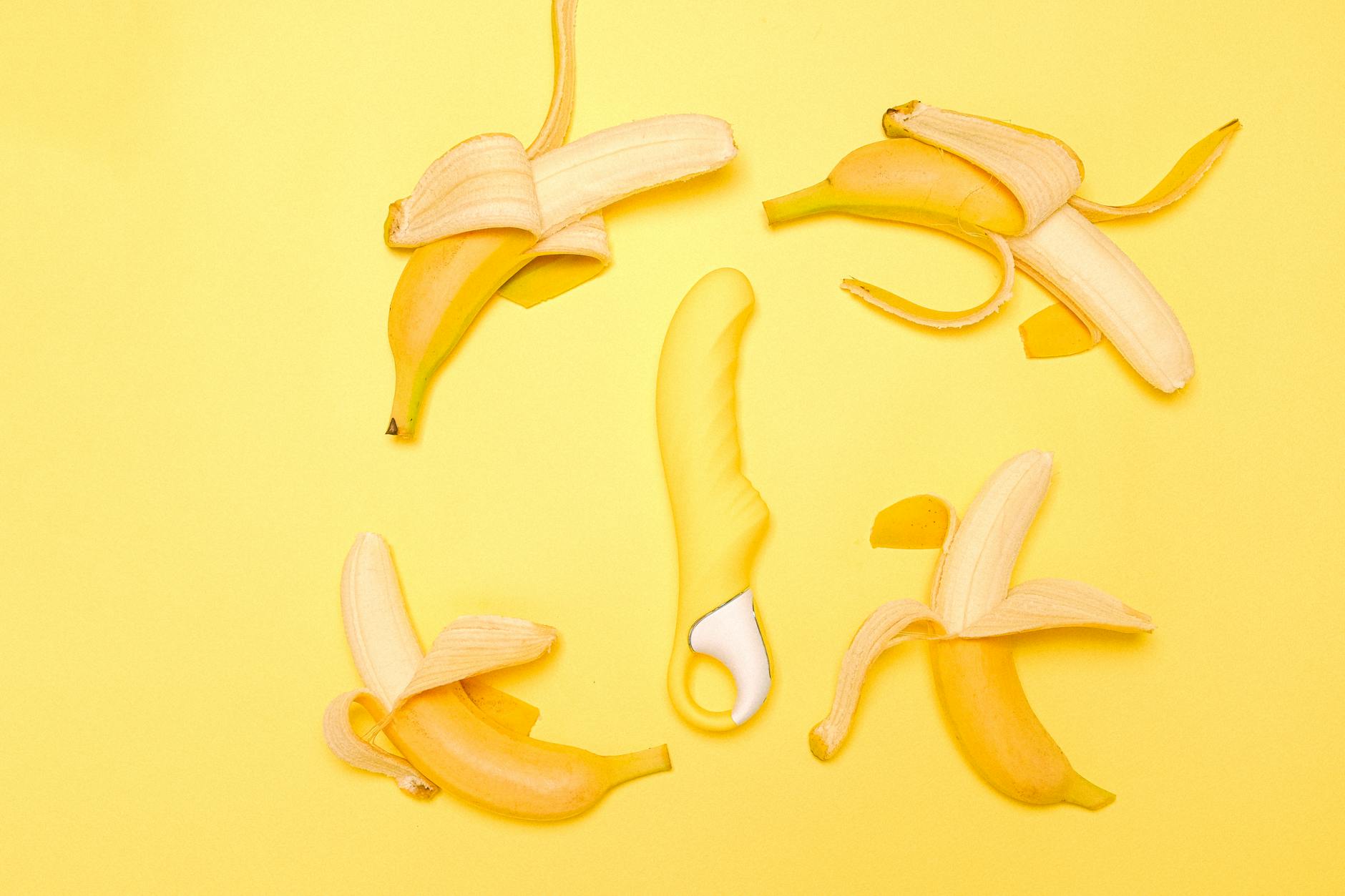
How to Use a Lemon Vibrator When Arousal Takes Longer to Build
Your body isn't broken. Slower arousal is completely normal, and a lemon clitoral vibrator actually works better when you give yourself permission to take your time.
Your body used to get turned on in under five minutes. Now it takes twenty. Thirty. Maybe longer. You wonder if something's wrong. It's not. Arousal doesn't follow a single timeline, and the pressure to speed it up is what actually kills the mood.
Here's what I see in my practice: people think slower arousal means less desire. Wrong. It usually means your body needs different conditions to feel safe enough to respond. That's not a malfunction. That's information.
Arousal speed changes for dozens of reasons. Stress shortens your fuse or locks it completely. Life transitions do it. So do hormonal shifts, medication changes, relationship dynamics, aging, fatigue, and honestly, just being distracted by your to-do list.
The nervous system has to downshift from sympathetic (fight-or-flight) to parasympathetic (rest-and-digest) before arousal kicks in. That takes time. Some bodies make that switch in minutes. Others need thirty or forty-five. Both are normal.
When you fight against your body's natural timeline, you create tension. And tension is the exact opposite of what arousal needs.
Here's why a lemon clitoral vibrator is genuinely useful when arousal builds slowly: it doesn't require you to be already aroused to feel something. That sounds small. It's not.
Traditional vibrators ask your body to do the work first. Build sensation, build warmth, build focus, then add stimulation. A lemon sucker like the Lem works differently. The suction pattern creates sensation before arousal arrives, which can actually trigger arousal instead of waiting for it.
You're not forcing yourself. You're using a tool that works with your body's pace instead of insisting on a faster one.
Three things I recommend before you even touch the Lem.
First, time and space. Budget forty-five to sixty minutes if that's what your body needs. Not as pressure, as permission. You're not wasting time. You're working with your physiology. Set a timer if that helps. Knowing you're not "running late" on arousal changes everything.
Second, context. Slow arousal often means your nervous system needs extra reassurance that you're safe. That can mean dimmed lights, a locked door, your phone in another room, or familiar music. It doesn't have to be elaborate. It just has to lower your mental load enough to notice sensation.
Third, touch that isn't genital yet. Hands on your neck, your inner arm, your collarbone. Slow breathing. This isn't foreplay in the traditional sense. It's a signal to your nervous system that you're available for pleasure. Give it two to five minutes minimum.
Start at pattern 1 or 2, not the higher intensities. I know that sounds counterintuitive when arousal feels distant. But a gentle, consistent suction pattern is more useful for a body that's still waking up than an aggressive one.
Position the Lem against your clitoris and let it sit. Don't chase sensation. Let sensation come to you. Most people expect to feel something immediately. When arousal is slow, you might not feel major sensation for five or even ten minutes. That's completely normal.
If you're partnered, this is a good time to tell your partner you need them to be patient. Not inactive. Just not expecting a quick payoff. They can be present, can touch you, can talk to you. They're not solving a problem. They're hanging out while your body does its thing.
Most people with slower arousal spend the time anxious about how slow it is. That anxiety makes it slower. You're fighting your body instead of trusting it.
Here's what I tell my clients: slow arousal is often more sustainable. When your body takes time to build, you're not on a rapid spike heading toward a crash. You're building something that can last. That intensity might not hit as fast, but the plateau can be deeper.
Stop measuring yourself against an old baseline. Your body's timeline isn't wrong. It's just different now. The lemon vibrators work beautifully with that different timeline because they give you sensation without requiring you to be already turned on to feel it.
After you've spent time at lower patterns and you're feeling sensation building, that's when you can move up. Patterns 3 and 4 on the Lem feel stronger once your body has already started responding.
Some people find they need to alternate. Five minutes at pattern 2, then pattern 3, then back down. There's no rule. You're listening to your body, not following a script.
Water-based lube helps enormously when arousal takes longer, because tissue can feel drier after longer sessions. Use it generously. It's not a shortcut. It's a practical tool that lets you stay present instead of getting physically uncomfortable.
If you're with someone who's used to quicker arousal, this shift can feel personal to them. It's not. It's physiology, not preference.
Some partners interpret slower arousal as lower desire. Some get frustrated that "it's taking too long." Some assume something's wrong. Have that conversation outside the bedroom. "My body needs more time now. This isn't about how I feel about you. This is just how I work right now."
You can also frame it as something you'd like to do together. Longer sessions, more time for you both to settle in, different rhythm. That reframes slowness as an opportunity instead of a problem.
If arousal slowed suddenly and there's also pain, numbness, or complete loss of pleasure, see a doctor. Those can be signs of vascular changes, medication effects, or other medical things worth investigating.
Similarly, if your desire itself has disappeared alongside slower arousal, that's worth talking through with a provider. There's a difference between "it takes longer but it still happens" and "I don't want it at all anymore."
But slower arousal on its own? That's not a problem. That's just how your body works now.
Don't use slowness as a reason to skip the Lem. Actually, the reverse: use the Lem to help you not force arousal. Start your warm-up routine first, then introduce it after five to ten minutes of other touch. You're looking for arousal to be starting, not already peaked. That's when the suction pattern works best.
Not directly. What a lemon sexual toy does is make slower arousal more pleasurable, which can take pressure off. When you're not anxious about the timeline, you often relax, which can sometimes help arousal build faster. But the goal isn't to fix slowness. It's to work with it.
Start with patterns 1 and 2. They're gentler and more consistent, which works better for a body that needs time to respond. Higher patterns are great, but you'll get more from them once your body has already started arousing. Think of low patterns as the invitation, higher patterns as the conversation.
Yes, usually. Longer sessions mean longer friction, even with a device as gentle as a lemon sucker. Water-based lube keeps things comfortable and lets you stay focused on sensation instead of dryness. It's not because something's wrong with your body. It's practical support.
Tell them directly: "Slower arousal doesn't mean less desire. It means my body's rhythm has changed. I still want this. I still want you. I just need more time." You might also suggest doing this together so they see that arousal does happen. It just happens at a different pace.
No. Arousal is not a moral issue. Your body is not lazy or broken or failing. It's responding to the conditions around you and within you. Give yourself the same grace you'd give anyone else. Slower arousal is completely normal at various life stages.
Slower arousal is wildly common and completely workable. A lemon clitoral vibrator becomes genuinely useful not because it forces arousal, but because it lets you feel sensation without requiring arousal to already be there. That's a different kind of help.
Your timeline is your timeline. The Lem works beautifully with slow builds, gentle patterns, and bodies that need time to wake up. Stop fighting yourself. Start working with what you actually have right now. That's when everything changes.