How to Use a Lemon Vibrator When Intimacy Feels Disconnected From Desire
The gap between going through the motions and actually wanting it. How a lemon clitoral vibrator can help you rebuild the connection between body and mind.
Here's the thing nobody warns you about: you can be having sex and feel completely absent from your body at the same time. You might be physically present with a partner you care about, going through motions that used to feel electric, and yet experience nothing but a kind of hollow autopilot. That gap between intimacy and desire isn't a sign something is broken. It's a signal that something needs your attention.
I work with couples regularly where one partner says, "I want to want this." That sentence holds so much frustration. The desire isn't there, but the willingness is. And when desire and willingness are misaligned, the whole experience can feel like you're faking it, which erodes trust and connection even further.
Intimacy and desire are not the same thing, and they don't always move at the same pace. Desire is the neurochemical pull toward pleasure. Intimacy is the emotional closeness and physical proximity to another person. You can have one without the other.
Several things can create this gap. Stress and mental load suppress desire signals in the brain while you might still crave physical closeness. Relationship tension can make you want affection but not arousal. Medication side effects (antidepressants especially) can numb sensation while leaving emotional attachment intact. Past relationship patterns where you learned to perform pleasure rather than feel it can create a deep habit of going through the motions.
Most importantly: disconnection is not a failure of the relationship. It's information. It's your system telling you that something in the equation needs to shift.
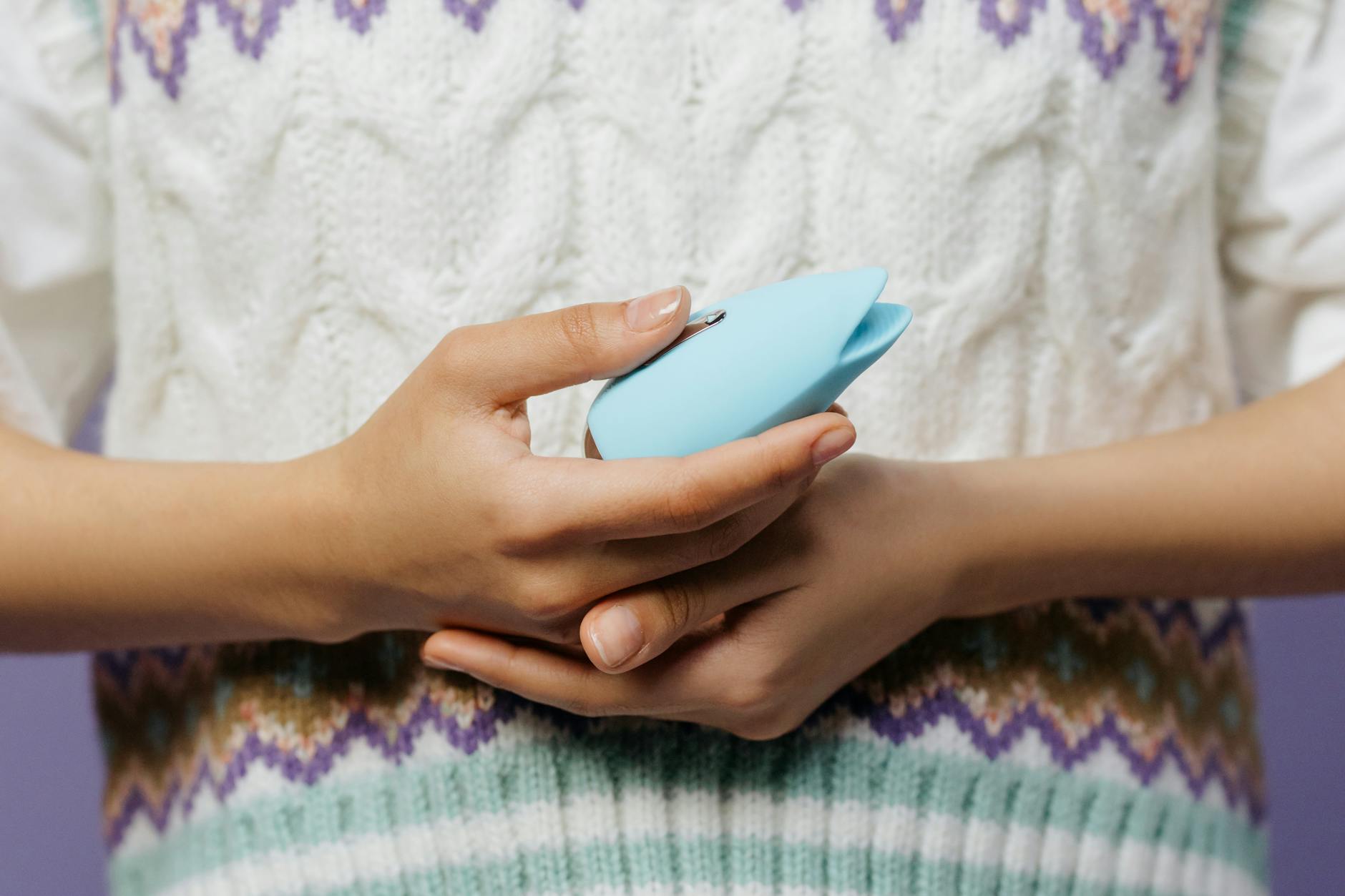
A clitoral vibrator like the Lem works differently than a partner's touch because it doesn't require you to manage another person's response. You're not watching their face or monitoring whether they're satisfied. You're just exploring sensation on your own terms, which is exactly what reconnecting with desire requires.
The suction technology in lemon clitoral vibrators creates a different kind of stimulation than traditional vibration. It's gentler on tissue that might be numb or defensive, and it often reawakens sensitivity faster because it engages nerves differently. Many people find that suction-based toys like the Lem rebuild the pathway between physical sensation and the part of your brain that says "yes, I want this" when traditional vibrators feel like they're not getting through.
If desire has gone quiet, jumping straight to intensity won't help. You need to rewire the connection slowly.
Start with the Lem on the lowest setting, pattern 1 or 2. Spend 10-15 minutes just noticing sensation without the goal of orgasm. This is crucial: pleasure without performance takes the pressure off. You're not trying to prove anything works. You're gathering data about what your body actually feels.
Many people find that after weeks of this solo exploration, they start to recognize the tiny signals of desire returning. A slight warmth. An involuntary muscle tightening. A moment where you think "I actually want to keep going." Those micro-signals matter more than any orgasm right now. They're proof that the connection is reforming.
If numbness is severe, try sessions of 5-10 minutes rather than longer ones. Brief, frequent check-ins with sensation create new neural pathways faster than long sessions that feel obligatory.
If you're in a relationship, the conversation before any exploration is essential. Tell your partner: "I need to rebuild connection with my own pleasure first. I'm not avoiding you. I'm preparing myself to be fully present with you." That distinction matters.
Some couples find that using a lemon vibrator together helps. Your partner can hold it, can watch your response, can engage with your pleasure without that response being about them. This reverses the usual pattern where your partner is trying to create pleasure and you're managing their expectations.
Start with him or her simply watching, or sitting close. No pressure to reciprocate immediately. As your own desire returns, the collaborative element can deepen naturally. The point is that you're the expert on your body right now, and a partner can be a witness rather than the driver.
When desire has flatlined, guilt frequently follows. You feel guilty for not wanting intimacy. Guilty for using a toy instead of connecting with your partner. Guilty for taking time for yourself when you "should" be available.
That guilt is worth examining because it's often the root of the original disconnection. If you've spent years prioritizing a partner's pleasure or managing the emotional labor of the relationship, your body's numbness might be a protective mechanism. Your nervous system shut down desire to protect you from further depletion.
Rebuilding desire while still carrying that guilt is nearly impossible. So before you pick up a lemon clitoral vibrator, you might need to do some mental work. Your pleasure is not selfish. Your desire matters. Reconnecting with it is not a betrayal of your relationship. It's a requirement for having a healthy one.
Don't expect instant results. The brain rewires slowly. Most people report noticing shifts in desire within 2-4 weeks of consistent, pressure-free exploration with a tool like the Lem vibrator. Some take longer. Some find that desire returns gradually, not suddenly.
If you're hitting a plateau after 4-6 weeks, that's worth exploring with a therapist. Sometimes numbness is about the relationship itself, sometimes it's about unprocessed trauma, sometimes it's hormonal. A lemon vibrator is a powerful tool for rebuilding sensation, but it's not a cure for every kind of disconnection.
The Lem works best when you're also willing to examine what created the disconnect in the first place. The toy helps your body remember pleasure. The emotional work helps your mind understand why pleasure went away.
Once you've rebuilt some internal desire, the conversation with a partner shifts. "I'm starting to feel something again" is very different from "I want to want this." It opens space for reconnection that feels mutual rather than obligatory.
You might suggest using the Lem together, or you might ask for a different kind of touch while you use it alone. You might find that after solo exploration, partnered intimacy feels different because you're arriving with actual arousal rather than a sense of duty.
This is also the moment to discuss how your partner can support your rebuilding arousal without taking it personally. Many partners feel rejected or inadequate when their partner needs solo tools to reconnect with desire. Framing it as "this is how I'm preparing to be present with you" changes the narrative entirely.
Using a lemon vibrator when desire is disconnected from intimacy is ultimately about rebuilding trust in your own body. For years, you might have learned to respond to external cues instead of internal ones. You learned to perform desire rather than feel it. You learned to manage someone else's needs instead of honoring your own.
A tool like the Lem is just that. A tool. What matters is the permission you give yourself to explore sensation slowly, without goal, without judgment. To notice what your body actually wants instead of what you think you should want.
That solo exploration is not a detour from intimacy. It's the road back to it. Because intimacy without desire is just proximity. And once you've rebuilt the connection between your body and your wanting, everything shifts.
No. In fact, the opposite is usually true. When desire has flatlined, the relationship often suffers more because one partner is performing and the other can feel it. Rebuilding your own sense of pleasure and sensation actually restores trust and authenticity. The key is communicating with your partner about why you're doing this, so it doesn't feel secretive or rejecting.
Start with honesty about what's happening in your body, not about what's wrong with them. "My desire has gotten quiet and I want to rebuild it for both of us" is very different from "you're not turning me on anymore." Frame it as internal work, not a criticism of them. Many partners feel relief learning it's not about them.
That can happen temporarily, especially if you've been forcing intimacy for a while. Solo pleasure might feel selfish at first. This is normal and often passes once you understand that rebuilding your own desire is the path to deeper connection. If it persists beyond a few weeks, couples therapy can help you navigate both the guilt and the relationship patterns that created the numbness.
Yes. Suction-based toys like the Lem engage your clitoral nerves differently than traditional vibrators, which can be especially helpful if sensation feels numb or defensive. The gentler pressure often feels less invasive to people rebuilding sensitivity. Many find they can use suction devices for longer periods without fatigue or overstimulation compared to standard vibrators.
Start with 2-3 times per week, keeping sessions short (10-15 minutes). Consistency matters more than duration. Your nervous system needs regular signals that pleasure is safe and available. Too many long sessions can feel like another obligation. Too infrequent and the neural rewiring doesn't establish.
That's worth exploring further. Sometimes numbness is hormonal, sometimes it's medication side effects, sometimes it's unresolved relationship conflict or past trauma. A sex therapist or your doctor can help you figure out whether this is a sensation issue, a relationship issue, or something deeper. A lemon vibrator is powerful, but it works best alongside other support when the disconnection runs deep.
If you're in that space where intimacy and desire have drifted apart, know that it's not permanent. Your body hasn't forgotten how to want. It's just paused. Rebuilding that connection takes patience, self-compassion, and often a tool that lets you explore sensation without performance pressure. A lemon clitoral vibrator, used intentionally, can be exactly that tool. Start slow. Notice small sensations. Give yourself permission to prioritize your own pleasure. That's not selfish. That's the foundation of genuine intimacy.
If you want to talk through how to approach this conversation with a partner or need guidance on rebuilding intimacy, reach out. Reconnection is absolutely possible.