Let's talk about the orgasm that used to rock you
Somewhere between last year and now, your climax changed. Not disappeared, not stopped happening, but definitely became less... electric. The kind of shift that makes you wonder if something's wrong with you. Spoiler: it's not.
Orgasm intensity has nothing to do with your capacity for pleasure and everything to do with nerve engagement, blood flow, and muscle engagement. Change any of those variables, and the sensation transforms. The good news? You don't need to accept weaker orgasms. You need the right stimulation.
Why orgasm intensity drops
Four things commonly flatten orgasm intensity without actually breaking your ability to come:
Nerve desensitization from repetitive stimulus. When you use the same technique with the same toy at the same angle for years, your neural pathways adapt. Your brain literally stops firing as hard because it's familiar. This isn't dysfunction. It's neuroplasticity working against you.
Blood flow changes. Stress, medication, hormonal shifts, and cardiovascular health all affect how much blood rushes to the clitoral tissue during arousal. Less engorgement means less surface tension, which means the orgasm feels shallower.
Pelvic floor tension or weakness. The pelvic floor muscles contract during orgasm. If they're chronically tense (from stress, poor sitting posture, or anxiety), the contraction range is smaller, so the sensation is muted. If they're weak from childbirth or aging, same problem.
Tactile habituation to direct vibration. Standard vibrators deliver consistent, predictable stimulation. After months or years, your clitoris stops reacting with full intensity because the stimulus is no longer novel. Your body is literally bored.
The most common culprit? Combining repetitive vibration with pelvic floor tension. You're tightening the muscles that should be freely contracting, which caps the intensity ceiling.
How clitoral suction changes the game
Here's why a lemon vibrator works differently. Suction creates rhythmic negative pressure rather than direct vibration. Instead of buzzing in place, it pulls gentle waves across the tissue, stimulating deeper nerve clusters that traditional vibrators miss.
Think of it this way: vibration is like someone tapping your shoulder repeatedly. Suction is like someone gently drawing their hand across your skin in waves. The nervous system registers these as fundamentally different inputs.
When you switch from straight vibration to suction, your nervous system wakes up. The stimulus is novel again. The nerve pathways that had gone quiet fire back to life. The Lem works particularly well because it cycles through suction patterns that don't flatten into predictability the way constant vibration does.
You're not using a different setting on the same device. You're introducing a completely different type of stimulation. Your body responds to novelty with intensity.
The setup that works
If your orgasms have been flat, the way you use a lemon clitoral vibrator matters more than which one you choose.
Start with the lowest setting. This sounds counterintuitive when you want intensity back, but here's why: low settings let you feel the suction pattern clearly. Your nervous system needs to recognize this as new stimulus. Jump to level 5 and you might just feel overwhelmed, not engaged.
Spend 10 to 15 minutes warming up before you introduce the toy. Weak orgasms often come from shallow arousal. Your clitoris needs time to fully engorge. Touch yourself with your hands first. Let the sensation build. Only introduce the lemon vibrator when you're already mentally present and physically responding.
Don't aim for orgasm on the first try with suction. Instead, use the first few sessions to learn how your body responds to the sensation. You might notice the orgasm building differently, peaking earlier, or lasting longer. This is your body adjusting, not failure. Position matters. The angle of suction contact changes how you experience it. Gentle pressure with the suction cup fully sealed to your skin feels different from angling it slightly off center. Experiment. The sweet spot is usually direct contact with the clitoral glans, but your body might prefer slightly to the side.
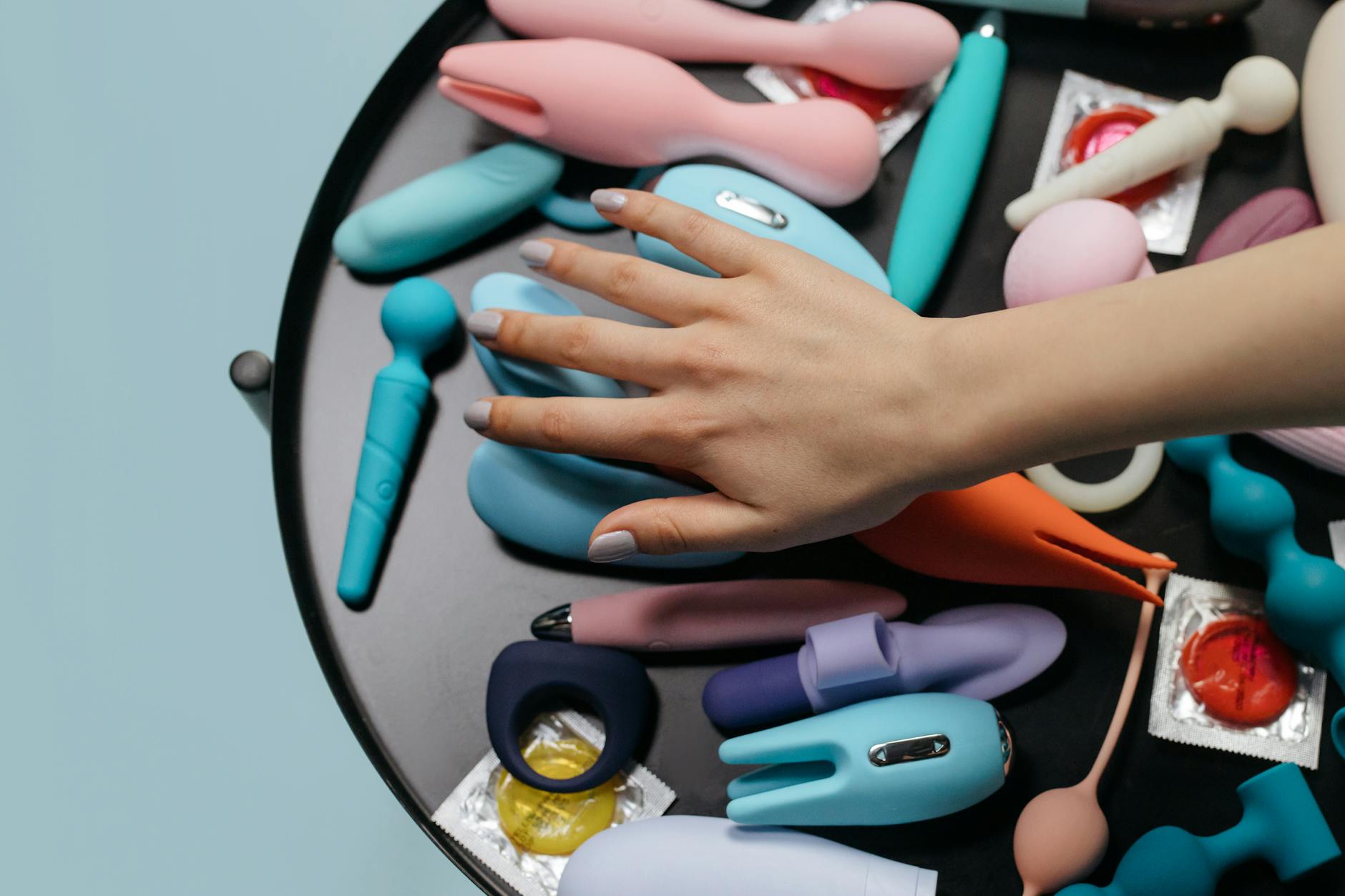
Photo by cottonbro studio on Pexels
Retraining your nervous system
The most important part of recovering orgasm intensity is deliberate novelty. Your nervous system has adapted to your old pattern. Breaking that cycle means genuinely changing things.
If you've been using the same vibrator for two years, the issue isn't the vibrator. The issue is your body has learned to ignore it. A lemon sucker introduces completely different sensations, which forces your nervous system to pay attention again.
But here's the thing: you can't undo that by just switching toys once and expecting permanent change. You need to vary your approach even with the new device.
Alternate between settings. Don't default to your favorite one every session. Move the toy slightly during use instead of holding it static. Change the timing. Sometimes rush to orgasm in 5 minutes. Other times take 30. Your body adapts to patterns, so break them intentionally.
When you reconnect with your body after years of numbness, novelty is your secret weapon. New sensation forces engagement.
When pelvic floor tension is the real problem
If you suspect weak orgasms come from a tight pelvic floor, clitoral suction actually helps you here in a way vibration doesn't.
The gentle wave pattern of suction doesn't reward tension the way vibration does. With vibration, you can white-knuckle your pelvic floor and still get sensation. With suction, the pattern is less responsive to muscular clenching, so your body naturally learns to relax into it.
Spend time before using the lemon vibrator doing pelvic floor releases. Deep breathing, gentle stretching, even just lying still and consciously unclenching those muscles. Then use the suction on a low setting. Notice how the sensation deepens when you consciously soften your pelvic floor.
You're retraining the muscle group that contracts during orgasm to work with the stimulus instead of against it. That's when intensity comes roaring back.
The timeline to expect
Don't expect to feel dramatically different within one session. Your nervous system needs time to register the novelty.
Most people notice a shift in sensation intensity within 3 to 5 uses of suction after using traditional vibration exclusively. The orgasm might feel sharper, last longer, or build differently. All of these are signs it's working.
But full intensity restoration usually takes 2 to 3 weeks of consistent use. Your nervous system needs repeated exposure to the new stimulus to truly rewire the response pathways.
Patience here isn't about accepting less. It's about giving your body the time to remember how to respond fully. When you introduce a lemon vibrator with intentional technique and timing, intensity comes back stronger than before because you've broken the old pattern.
What else could be tanking your intensity
If you switch to suction and still feel flat, something else might be in play.
Medication side effects are real. Antidepressants, blood pressure meds, and birth control can all reduce orgasm intensity. Talk to your doctor before assuming it's a technique problem. Sometimes a small dose adjustment or medication switch changes everything.
Stress and mental load flatten orgasm intensity harder than almost anything else. If you're anxious, distracted, or running on empty, your nervous system won't fire fully even with perfect stimulation. Sleep, stress management, and mental presence matter as much as the toy.
Dehydration and poor diet affect blood flow. Your clitoris needs healthy circulation to fully engorge. Drink water. Move your body. Eat actual food. This isn't wellness rhetoric. It's physiology.
And sometimes orgasm intensity shifts naturally with age or life stage, and that's okay. The goal isn't to feel exactly like you did at 25. It's to feel fully present and responsive now.
FAQ
Why does clitoral suction feel different from vibration?
Clitoral suction stimulates the tissue through rhythmic negative pressure instead of direct vibration. This engages different nerve clusters and creates a sensation your body likely hasn't experienced before. That novelty forces your nervous system to pay attention, which is why intensity often increases with suction after years of traditional vibration.
Can I use a lemon clitoral vibrator if my orgasms are already weak?
Absolutely. In fact, weak orgasms are one of the best reasons to try suction. The novel stimulus often restores intensity that direct vibration flattened over time. Start low and give your body time to adjust. You'll likely notice changes within a few weeks of consistent use.
How long does it take for orgasm intensity to improve with a lemon sucker?
Most people feel noticeable differences in sensation within 3 to 5 sessions, but full restoration of intensity usually takes 2 to 3 weeks of regular use. Your nervous system needs time to recognize the stimulus as new and rewire its response patterns. Patience is part of the process.
Should I use the highest setting on a lemon vibrator for stronger orgasms?
No. Start low and work up. High intensity on new stimulus can feel overwhelming rather than pleasurable. Low settings let your nervous system register the suction pattern clearly. As your body adapts, you can explore higher settings, but many people find that gentler, consistent patterns actually build more intense orgasms than pure power.
What if suction doesn't restore my orgasm intensity?
First, give it at least 3 weeks of regular use. Second, examine whether stress, medication, or pelvic floor tension might be the real issue. Third, talk to your doctor if intensity doesn't improve. Sometimes weak orgasms signal something physical that needs attention. A menopause specialist or pelvic floor physical therapist can help if you've exhausted other options.
Is weaker orgasm intensity a sign something's wrong with my health?
Not always. Habituation to repetitive stimulus, stress, medication, and pelvic floor tension are all common causes that have nothing to do with disease. But sudden or dramatic intensity loss, especially paired with other symptoms, is worth mentioning to your doctor. Most of the time it's fixable, but ruling out underlying issues matters.
You deserve intensity
Orgasm intensity doesn't stay the same forever unless you actively maintain novelty and engagement. Your nervous system adapts. That's not failure. That's just how bodies work.
The Lem and other lemon clitoral vibrators exist because suction solves the adaptation problem in a way straight vibration can't. You're not starting over. You're introducing new stimulus that reminds your body how to respond fully.
Start low, be patient, and notice what changes. Intensity comes back when you give your body permission to wake up to something different. If you want to talk through what's going on or explore options that fit your situation, reach out to us. We're here to help.