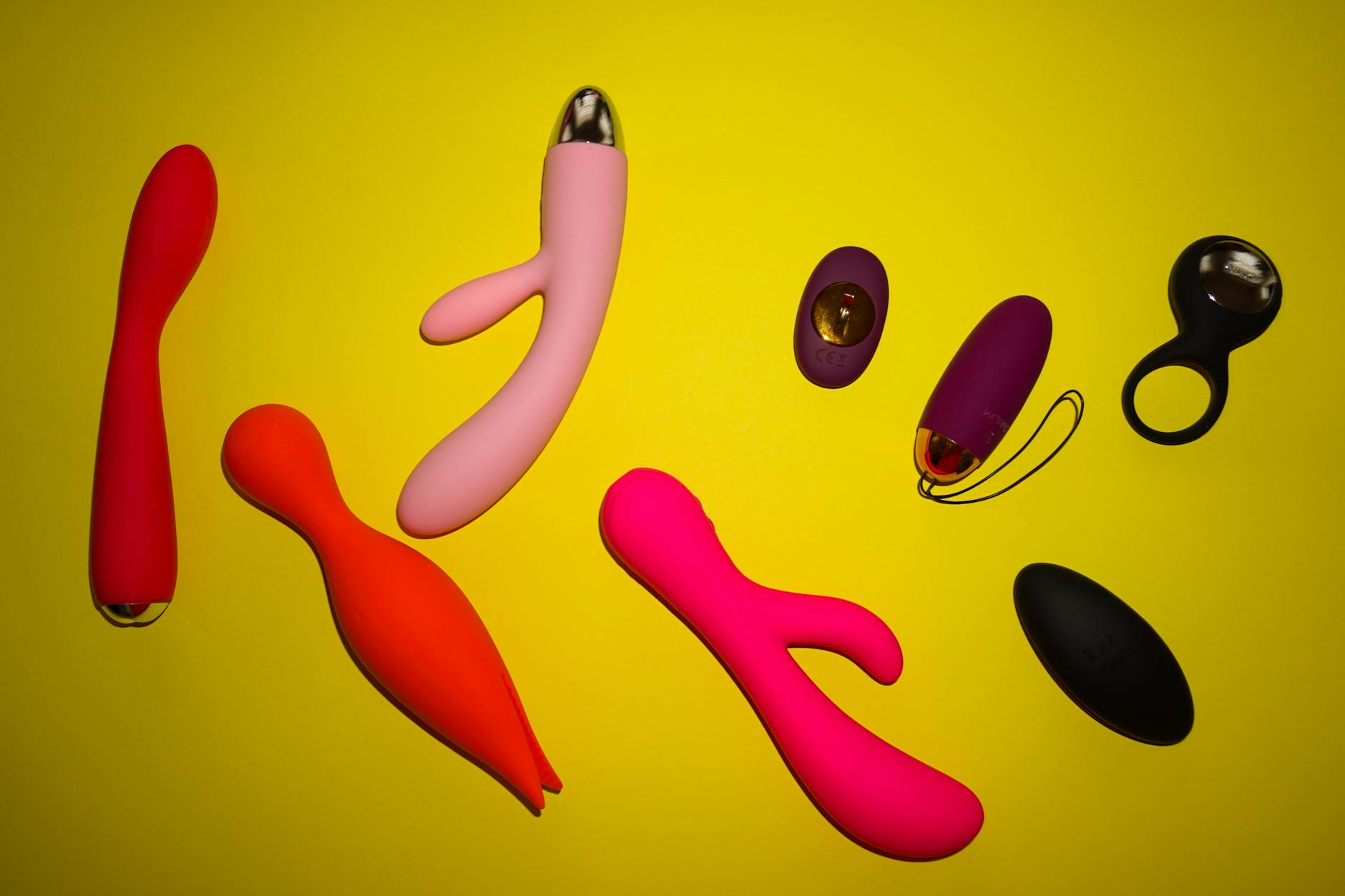
Here's what happens in most partnerships: one person thinks sex should flow naturally, the other person is performing. One thinks "if you loved me, you'd come faster." The other thinks "if you understood me, you'd know I need twenty minutes and a specific pattern of touch." Both are right. Both are frustrated.
I see this dynamic every week in my practice. The frustration isn't really about speed or technique. It's about being seen. A lemon vibrator doesn't fix misunderstanding, but it makes the misunderstanding impossible to ignore anymore.
Most partners aren't avoiding the topic because they're selfish. They're avoiding it because they hear a threat. "I need a toy" often lands as "you're not enough," even when that's not what you meant. In fact, research on couples and vibrator use shows that the moment of introduction is where most conversations derail.
Here's what's actually true: a lemon clitoral vibrator isn't a replacement for your partner. It's a translator. It shows them, physically, what your arousal actually needs. Instead of them guessing or you faking, the toy makes your real response visible.
That matters because most partners have no idea what they're aiming for. They've been taught that good sex means "making" someone come, which puts them in a constant state of pressure and failure. A lemon vibrator shifts that. You're not waiting for them to figure you out. You're showing them exactly what works.
Don't introduce a lemon vibrator mid-sex. That's when defenses are up and everything feels like a referendum on performance. Instead, bring it up during a normal conversation, ideally not in the bedroom.
Here's the framing that works: "I've realized I know my body better when I use a tool designed for how I actually respond. I want you to understand what I need, not guess. Would you be open to exploring this together?"
Notice what that does. It's not "you're doing it wrong." It's "I want you to actually see me." Most partners, when framed that way, will listen. Some will still feel threatened. That's when you get honest: "This isn't about you. It's about me finally understanding myself."
If your partner refuses, that's worth noticing. Not because they're bad, but because you've learned something important about the dynamic. You're asking for very little: permission to know your own body. If that feels dangerous to them, that's a bigger conversation. Consider talking to someone together.
Start solo first. Use your lemon vibrator on your own for a week or two before you ever mention it to them. This matters for two reasons: you learn what you like without an audience, and you gain confidence that this is about you, not about them.
When you do use it together, don't make it the whole show. Use it during foreplay, or as part of sex, not instead of sex. The goal isn't to prove you need it. It's to show them what your real response looks like. Most partners are genuinely shocked the first time they see their partner with a toy that actually works. Shock is good. That's the gap closing.
Talk while you're using it. "This pattern feels good here." "A bit slower." "Yes, that." This isn't performance commentary. It's you narrating your own body. Your partner gets to hear exactly what brings you pleasure. That's information they can use the next time they touch you without the toy.
Using a lemon clitoral vibrator in front of your partner does something unexpected to your nervous system. You stop waiting to be touched. You become the active agent in your own pleasure. That shift changes the entire dynamic.
I had a client, Sarah, whose partner felt threatened by vibrators. They'd been together fifteen years. She finally said: "I want you to watch me use this and see what my body actually needs." He did. What he saw was his partner enjoying herself undefended, not performing, not checking in with him emotionally. He told me later: "I'd never seen her like that."
That visibility is powerful. It moves a partner from "what am I doing wrong?" to "oh, now I understand." That shift rarely happens through conversation alone. It happens through seeing.
Some partners, once they see the lemon vibrator working, want to use it on you themselves. That's actually a good sign. It means they're interested in your pleasure, not threatened by the tool.
Let them, but with boundaries. Show them the settings you like. Tell them the patterns that work. This is still you teaching them about your body. The toy is just the classroom.
Some partners will use it wrong. Too hard, too fast, at the wrong angle. Redirect kindly. "I like it slower here" or "this pattern works better for me." You're not criticizing them. You're still teaching. This is exactly what needs to happen.
If your partner refuses to engage with a lemon vibrator because they see it as a threat to their role or masculinity, you have a choice. You can accept their boundary. Or you can decide that your pleasure matters more than their comfort.
Honestly, I usually advise the second one. Your body belongs to you. If a partner needs you to suffer in order to feel adequate, that's about them, not about you. You're not being cruel by using a vibrator. You're being honest.
That said, this is also information about your relationship. Partners who can't tolerate you knowing your own body are partners who have other control issues too. That's worth exploring, ideally with someone trained to help.
Once you've used a lemon vibrator together, the whole sexual dialogue changes. You've stopped guessing. You've shown them what fast really is, what pressure works, what rhythm your body actually wants. Now they have real data instead of assumptions.
Some partners will use what they learned. Some won't. But at least you know. And you've set a precedent: your pleasure is knowable and worth understanding.
That's the real gift of bringing a lemon vibrator into a partnership. It's not about the toy. It's about refusing to be a mystery that your partner has to solve or a problem they have to fix. You're saying: I know myself. I'm worth understanding. And if you want to be part of that, here's what it actually looks like.
That conversation, once started, doesn't end. And usually, the partnership gets better because of it.
Most likely they will at first. That's normal. It usually shifts once they see that the vibrator isn't replacing them, it's teaching them. When you actually come while they're watching you use the lemon vibrator, something clicks. They realize they weren't failing. They just didn't have the right information. That reframe is powerful.
Yes. You can use it alone. Your body doesn't need permission. That said, your partner's resistance is worth understanding. Is it shame? Fear of inadequacy? Religious belief? Different conversation for each. But your pleasure shouldn't be held hostage to their discomfort. Use it anyway, and let them decide if they want to understand.
Then you have a different conversation. The lemon vibrator is a supplement, not a replacement for actual touch and connection. If your partner wants to hand you the vibrator and check out, that's avoidance. You deserve presence. Set that boundary. "I want you inside this experience with me, not watching from the sidelines."
You probably have been, and that's fine. Just say so. "I've been researching this because I want my body to feel good, and I found something designed specifically for clitoral pleasure. I want to try it." That's honest. Your partner might feel left behind in the research phase, but that passes. What matters is you're inviting them into the experience.
No. You should inform them. There's a difference. Permission suggests they get to decide what happens to your body. You're not asking. You're saying: this is happening. You're welcome to be part of it or not. That tone matters.
Then you're using it wrong, or the timing is off. A lemon clitoral vibrator should deepen connection, not replace it. You're supposed to be touching, looking at each other, talking. The vibrator is one element, not the whole experience. If it's making you feel alone, step back and recalibrate. Real connection requires presence, and a vibrator can't provide that. Only you and your partner can.
Introducing a lemon vibrator into a partnership where there's misunderstanding isn't magic. But it's a visible way of saying: this is what I need. This is what my body actually responds to. Come see.
Most partners, when they finally understand, become invested in your pleasure in a way they weren't before. They stop guessing. They start paying attention. The dynamic shifts from "Am I doing it right?" to "What does she actually want?"
That shift is worth the awkward conversation. Your body deserves to be understood. And if your partner loves you, they'll want that understanding too.
If you're ready to have this conversation and want support, we're here to help.