How to Use a Lemon Vibrator When Physical Recovery Changes What Feels Good
Healing after surgery, injury, or illness rewires pleasure temporarily. Here's what changes, why lemon vibrators matter, and how to reconnect without pressure.
Here's what nobody tells you: pleasure doesn't disappear when your body heals. It transforms. Surgery, illness, or injury changes what sensation feels like, what intensity you can handle, and how long warm-up takes. Most people assume this means waiting it out passively until their body "goes back to normal." That's not how bodies work. They don't reset. They adapt. And lemon clitoral vibrators are actually one of the smartest tools for navigating that transition because of how differently they work compared to traditional vibrators.
Let me break down why recovery changes sensation, what lemon vibrators do differently, and how to use them in ways that feel good instead of frustrating during this phase.
Recovery from surgery (especially pelvic or abdominal) creates inflammation, scar tissue sensitivity, and nerve resets. Your body is literally healing. Blood flow redirects toward the injury site. Pain medications, antibiotics, and healing processes all affect how your nervous system processes sensation. Some people report numbness. Others describe hypersensitivity where normal touch feels almost sharp.
Illness recovery follows a similar pattern, though usually less intense. Long COVID, for example, can involve neurological changes that affect arousal and orgasm. Even the fatigue itself matters. Your nervous system has finite resources. When energy goes to healing, there's less available for pleasure.
Then there's the psychological layer. Fear of reinjury, frustration about timelines, anxiety about whether your body will ever feel the same. All of that lives in your nervous system and affects arousal directly.
There are three reasons lemon clitoral vibrators are better than standard vibrators during this phase.
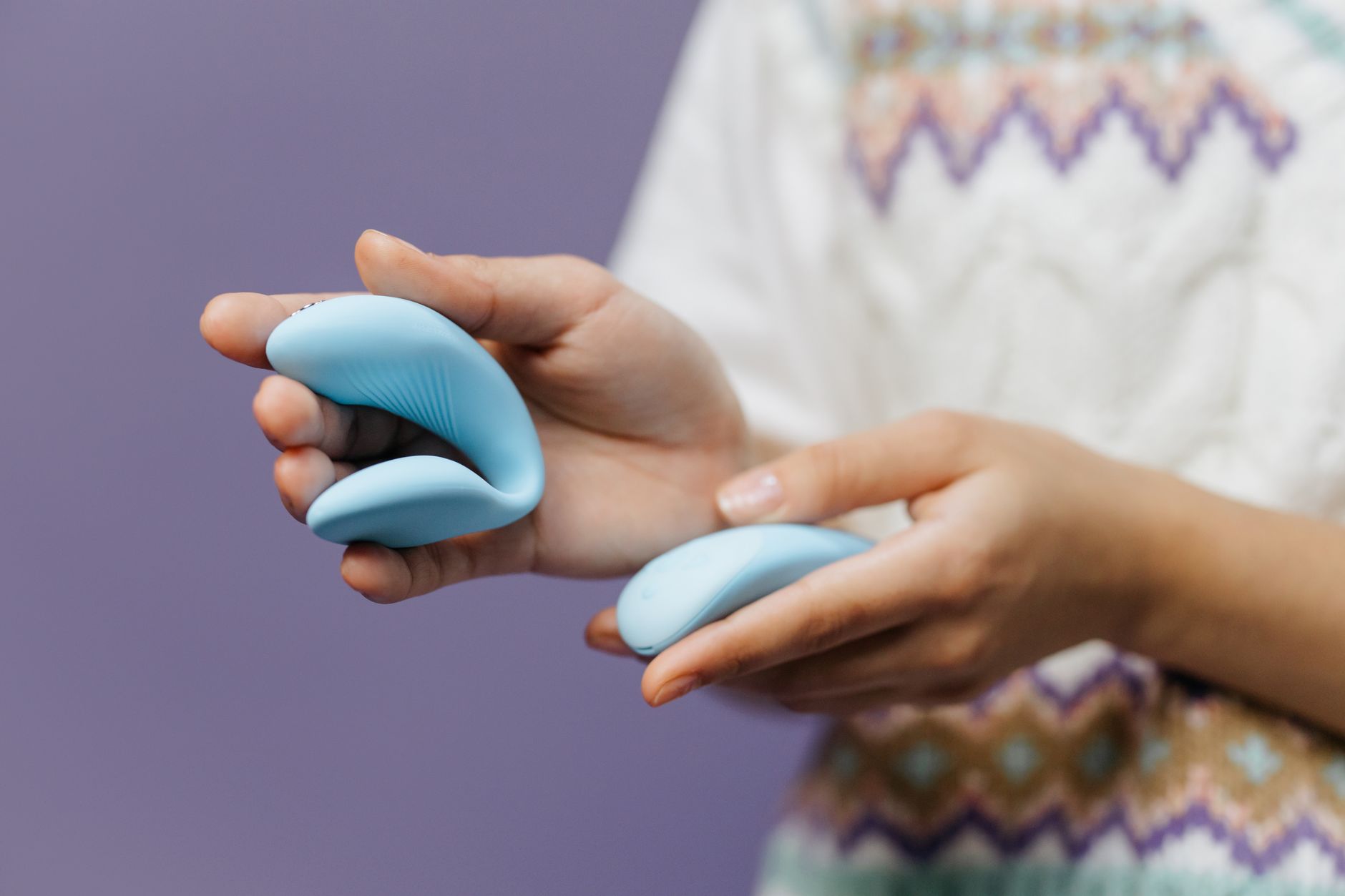
First: suction instead of vibration. Lemon vibrators use gentle suction technology rather than direct buzzing. This matters enormously for healing bodies. Suction stimulates without friction. If your tissue is tender, inflamed, or experiencing nerve sensitivity, that friction (even gentle friction) can feel overwhelming or trigger pain. Suction bypasses that problem entirely. It engages nerves through pressure change instead of movement.
Second: gentler intensity scaling. The Lem Clit Toy offers pattern options starting extremely low. You can begin at pattern 1, which delivers minimal suction intensity. As healing progresses and your nervous system recalibrates, you can move up. This graduated approach prevents the all-or-nothing problem that traditional vibrators create.
Third: the stimulation is concentrated and measurable. You know exactly what's happening and where. There's no guessing about intensity or coverage. That control reduces anxiety, which ironically makes pleasure easier to access during recovery when your nervous system is already on alert.
Three concrete changes make a massive difference when you're rebuilding pleasure after recovery.
Start with the absolute lowest setting and stay there for at least a week. I know this feels boring. It's not. Your nervous system needs time to recognize pleasure signals again without fear of pain. Pattern 1 on a lemon clitoral vibrator is usually plenty. You might not orgasm. That's fine. Pleasure exists on a spectrum. Low suction can feel genuinely nice without pushing toward climax.
Time your sessions around your pain and energy levels. If you typically have less pain in the morning or late afternoon, use that window. Recovery fatigue is real. If you're already depleted, pleasure feels like work instead of release. Sync with your energy, not the calendar.
Build in longer warm-up and more direct conversation. If you have a partner, tell them exactly what you need. "I want to explore sensation, but I might not reach orgasm." This removes invisible pressure. Pressure is an arousal killer during recovery. You're already dealing with enough internal negotiation about your healing body.
Here's what therapists see repeatedly: people recover physically but stay blocked emotionally. They carry fear into their pleasure. Fear that sensation will hurt. Fear that they've lost capacity. Fear that their partner will leave if sex is "different now."
None of that is true, but it's all real. And it all lives in your nervous system.
This is where using lemon vibrators (or any pleasure tool) becomes a form of nervous system recalibration. You're literally teaching your body that sensation can be safe again. That recovery doesn't mean loss. That pleasure is possible on the other side of fear.
This works better if you separate it from performance pressure. When I work with people rebuilding pleasure after recovery, I always suggest framing it as exploration, not goal-setting. You're not trying to have an orgasm. You're not trying to prove anything. You're just checking in with what sensation feels available right now.
Sharp pain means stop immediately. That's your body saying "no." Soreness, tenderness, or a stretching sensation usually means you're at the edge of your capacity. You can stay there. You can breathe into it. But if actual pain shows up, your nervous system isn't ready.
Discomfort from pressure or feeling "too much" at a given intensity is different. That usually means you picked a setting that's too high for this phase. Drop down one pattern. Sit there for a few weeks. Healing isn't linear, but it tends to move in one direction if you're patient.
If you have a partner, this is one of the highest-leverage moments to rebuild actual intimacy. Not sex. Intimacy. Presence. Attention to each other's real experience instead of a fantasy.
One exercise: take turns using the lemon vibrator on each other at very low intensity, focusing entirely on sensation and connection rather than outcome. This does three things. It keeps pleasure in the relationship instead of isolating it to solo play. It shows your partner exactly what feels good (no guessing). And it slows everything down enough that you're actually checking in.
"It doesn't feel like it used to." Right. Your body isn't the same. That doesn't mean it's worse. Different sensations often arrive. Some people find post-recovery pleasure is actually more intense because their nervous system rewired. Give it three to six months before deciding anything permanent.
"I get anxious when anything touches the area." This is extremely common. You might benefit from working with a pelvic floor physical therapist alongside pleasure exploration. They can help your nervous system recognize that sensation isn't a threat. The Lem Clit Toy is positioned away from most recovery sites, but if there's anxiety, addressing that first makes everything else easier.
"My partner wants to move faster than I'm ready for." Have the conversation explicitly. "My body needs X more weeks to feel safe. That's not about you. That's about my nervous system recalibrating." Most partners get it once it's framed that way instead of feeling like rejection.
Most medical guidance says "wait 4-6 weeks." That's the physical minimum. But emotional and nervous system readiness takes longer. Some people are ready to explore at eight weeks. Others need twelve. It has almost nothing to do with how fast you physically healed.
Use pleasure exploration as a gauge of your own readiness, not the other way around. If lemon vibrators feel interesting at week seven but scary at week six, that's real data. Your body is telling you something.
Your surgeon or physical therapist should clear you first, usually at 4-6 weeks. Even then, starting with external-only exploration at the lowest intensity is wise. Pelvic tissue heals from the inside out, so patience matters more than rushing.
No. Recovery changes orgasm temporarily. How it feels, how long it takes to reach, intensity level. But the capacity stays. Your nerve endings are still there. Your brain can still process pleasure. The pathway just needs recalibration.
This happens often with illness couples. The pressure gap creates distance. The solution is explicitly separating timelines. One person's readiness doesn't require the other person's readiness. You can use lemon clitoral vibrators independently while rebuilding shared intimacy in non-sexual ways first.
Usually they're not. Give yourself six months minimum. Your nervous system is remarkably plastic. It adapts and reconfigures. Sensation often normalizes (or transforms into something new) as you're further from the event. If things haven't shifted by nine months, that's worth discussing with your doctor.
If you're in a relationship, yes, eventually. You don't need permission, but sharing the exploration creates intimacy and removes the secret-keeping that kills desire. Frame it as nervous system work, not cheating. Because that's what it is.
Rarely completely. But sometimes patterns shift. Some people find they want different things post-recovery. Some people discover they need more of a certain kind of touch or attention. That's not damage. That's evolution. Lemon vibrators can help you explore what your actual desires are now, separate from what you thought they were before.
Your body after healing is not a broken version of your body before. It's a different body with different capacities, different sensitivities, different needs. That's not loss. That's information.
Lemon clitoral vibrators work so well during recovery because they meet your nervous system where it actually is instead of pushing it toward where you think it should be. They're gentle. They're graduated. They give you agency in the exploration. And they work with your body's actual sensitivity instead of against it.
If you're in recovery right now and pleasure feels confusing or scary, that's completely normal. Your nervous system is doing exactly what it's supposed to do. Healing takes time. Reconnection takes patience. But it absolutely happens.
If you want to explore this further, the team at The Lem Clit Toy has resources on pleasure recovery, and our community is full of people who have walked this exact path. You're not alone in this, and you're not broken.
Want to talk through your specific situation? Reach out to our support team at /contact. We're here to help.