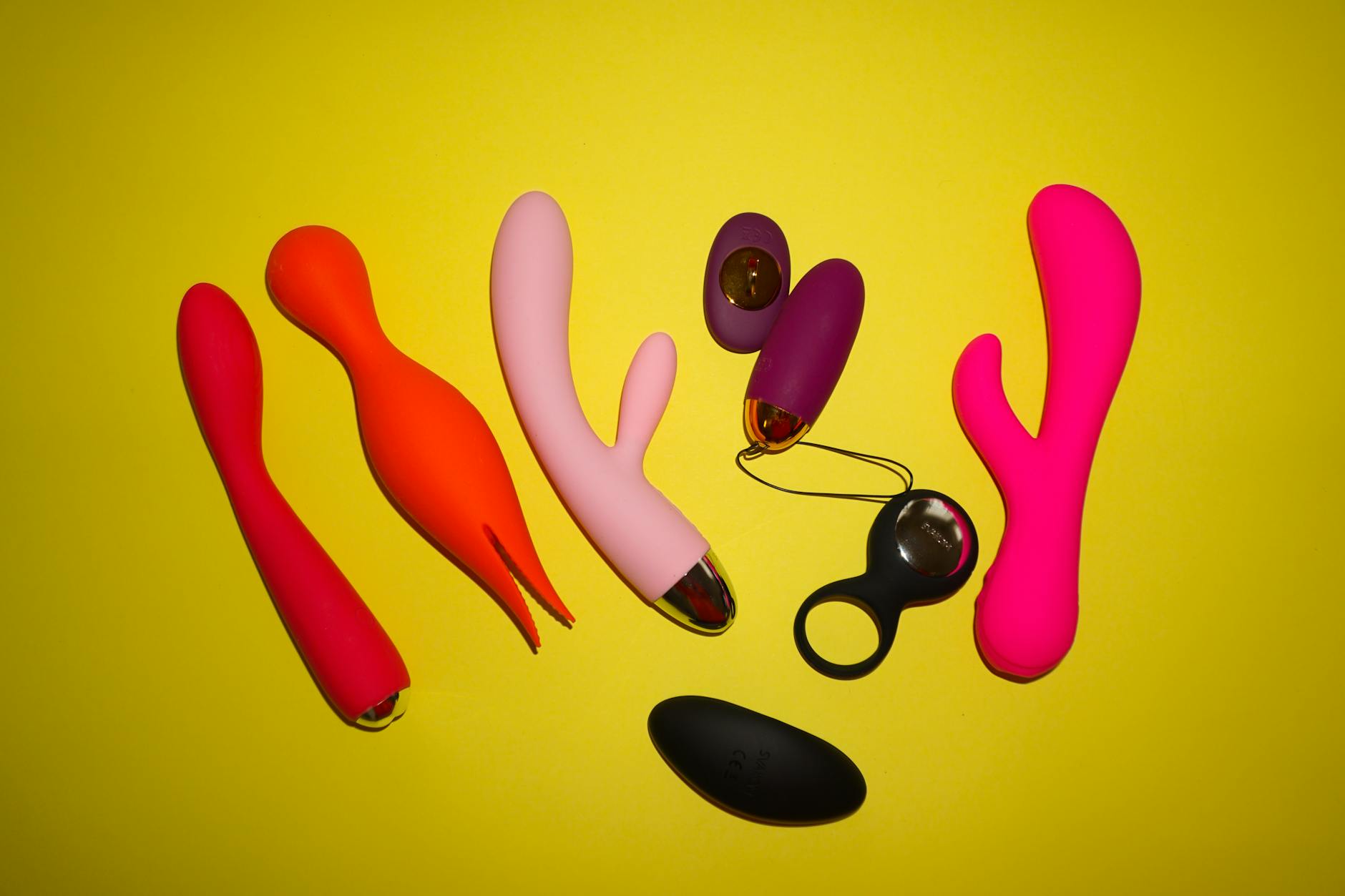
Let's name what actually happened
Infidelity isn't just about the act itself. It's a fracture in the story you told yourself about your relationship, your partner, and your own desirability. The sexual piece is real, but it's tangled up with betrayal, shame, anger, and a question that sits underneath everything: "Can I trust my body to want this person again?"
Sex after infidelity feels different because trust feels different. Your nervous system is primed to protect you. That's not a sign you're broken. That's your body doing exactly what it's supposed to do.
Why pleasure becomes a political act
When your partner has stepped outside your sexual boundary, reclaiming pleasure becomes complicated. Some people shut down entirely. Others swing toward aggression, using sex to reassert control or punish. Most people land somewhere in between. confused, grieving, angry at their own body for still wanting sex at all.
Here's the thing that shifts the dynamic: pleasure that's rooted in your own body, not your partner's approval or presence, starts to rebuild the foundation. It sounds counterintuitive. Shouldn't you be working on couple intimacy right now?
Yes. And also, you need to remember that your pleasure is yours. That your body is still capable of feeling good. That desire doesn't require permission from the person who broke trust. Using a lemon clitoral vibrator solo is not infidelity insurance. It's a way of saying to yourself: "My body is mine. My pleasure matters. I am safe." Those three things are prerequisites for rebuilding with a partner.
The specific challenge with rebuilding sexual trust
Most couples therapy focuses on emotional reconnection. That's important. But sex is different. Sex requires your nervous system to downshift into parasympathetic activation. Rest and digest. Safety.
After infidelity, your nervous system is stuck in sympathetic overdrive. Fight, flight, freeze. Your body is scanning for threat. When your partner reaches for you, your nervous system registers: "This is the person who chose someone else." That's not a rational thought you're having. It's a somatic one. Your body knows before your brain does.
Using a vibrator like the Lem gives you a chance to practice parasympathetic activation in a low-stakes environment. You control the intensity. You control the pace. You control whether to stop. That sense of control is what begins to reprogram your nervous system's response to pleasure.
How to start if sex with your partner feels impossible right now
Don't rush into couple sex. I know that sounds counterintuitive when you're trying to rebuild intimacy, but forcing it before your nervous system is ready locks in the trauma pattern. Here's what to do instead:
Week one: Exploration without agenda. Set aside 15 to 20 minutes when you're alone, not tired, and not immediately before or after seeing your partner. This isn't performance. You're reacquainting yourself with what feels good when there's zero pressure. Start the Lem at the lowest setting. Notice what patterns feel restorative versus triggering. If your mind goes to your partner or the infidelity, that's normal. Acknowledge it and gently redirect.
Week two to three: Buildout. Once you've found patterns that feel genuinely good, extend the time slightly. Experiment with different intensities. Notice if certain settings remind you of pressure or performance versus pure pleasure. That distinction matters.
Week three onward: Integration. This is when you might start to imagine your partner joining you, or you might begin couple intimacy. But only when you've rebuilt the somatic memory: "My body can feel good. I can feel safe. I can access pleasure." That foundation changes everything about how couple sex unfolds.
When your partner wants to watch or participate
Some couples find that introducing a vibrator together becomes a shared act of rebuilding. That can be healing if it's approached carefully. The difference between pressure and genuine reconnection is consent and agency on both sides.
If you're considering using a lemon clitoral vibrator with your partner present, the rules are:
You stay in control. They don't direct you. They don't narrate. They watch only if you explicitly invite them to and can revoke that invitation at any moment. The pleasure is still yours. Their role is witnessing your reclamation, not guiding it.
Many couples find that this creates a repair moment. Your partner sees you centered in your own body, accessing your own pleasure, and responding. It short-circuits the narrative of shame that often follows infidelity and rebuilds the erotic connection without the baggage of resentment.
The timing question: when is it too soon?
If you're still in acute crisis mode, the first week or two after discovery, solo vibrator use might feel impossible or triggering. That's fine. Grieve. Be angry. Let your nervous system settle.
But here's what research on relationship repair shows: couples who eventually resume sexual intimacy heal faster than couples who avoid sex indefinitely. Sex isn't a reward for trust being rebuilt. It's part of how trust gets rebuilt. That sounds wrong when you're furious, and the first time you have sex after infidelity might feel mechanical or weird. That's expected.
Using a lemon vibrator between couple sessions gives you a chance to practice feeling pleasure in your body, at your pace, which makes the transition back to partnered sex less fraught. You're not asking your body to flip a switch from "betrayed and furious" to "intimate and connected." You're building a bridge.
What happens if pleasure triggers shame
Some people experience guilt when they orgasm after infidelity. There's a weird narrative that says: "If I still feel pleasure, does that mean I'm okay with what happened?" No. Pleasure and forgiveness are different. You can feel good in your body and still be processing profound hurt.
If that's you, that shame response is worth naming with a therapist. It's a sign that your nervous system is still tangled up in the betrayal story. A vibrator isn't therapy, but it can be part of your healing practice. The combination of solo pleasure + couple therapy + possibly some trauma-informed somatic work tends to move people forward.
When you're ready to involve your partner
Couples who rebuild after infidelity often describe a moment when sex stops feeling like a minefield and starts feeling like reconnection again. That moment doesn't arrive on a schedule. But it usually requires:
- Genuine accountability from the partner who was unfaithful
- Consistent transparency going forward
- Your own sense of sexual autonomy having been restored
- A shared commitment to rebuilding, not just "getting past it"
When you do come back together, the tools that helped you solo often still help. Using a vibrator during couple sex can take pressure off your partner to be everything for you (which is impossible) and can help you access pleasure more quickly, which tends to ease any residual performance anxiety.
The Lem's suction design is particularly useful in this phase because it doesn't require the same kind of direct partner engagement that some vibrators do. You can use it while your partner is inside you, or during foreplay, or just to help yourself reach orgasm when the emotional weight of partnered sex is still heavy. Your pleasure doesn't have to depend on them being able to read your body perfectly.
The conversation to have with your partner
If you're considering inviting your partner into this process, have the conversation beforehand. Not in the moment. Say something like: "I'm using a vibrator as part of my own healing, and I want to rebuild intimacy with you too. When you're ready, I might want you to be present for that, but on my terms."
That statement does three things. It's honest. It's boundaried. It's collaborative without being dependent on your partner's response. If they react with jealousy or shame, that's information about their own work they need to do. That's not your responsibility to fix.
Rebuilding after infidelity is slow. It's not linear. Some days you'll feel fine. Other days something will trigger the initial hurt all over again. A vibrator isn't a fix. But it's a daily practice in reclaiming your body as yours, your pleasure as sacred, and your capacity to feel good as separate from what happened.
Frequently asked questions
How long should I wait before trying to have sex with my partner again after infidelity?
There's no fixed timeline. Most therapists recommend waiting until you've both processed the initial shock and have started some form of couples therapy. That might be two weeks or two months. Your readiness isn't about time passing. It's about whether you can access any version of safety or desire in your body when you think about being intimate with them. If you're solid in your "no" for a while, that's okay. If you feel small moments of willingness, you can start small. Microsexual moments. A kiss. Hand-holding. Anything that helps you practice downshifting your nervous system in their presence.
Can using a vibrator by myself damage my ability to have partner sex?
No. Actually, the opposite tends to be true. People who maintain solo sexual pleasure tend to have better partnered sex because they have a baseline understanding of what feels good for them and can communicate that. The risk happens when someone uses a vibrator to avoid intimacy entirely or when it becomes a way of punishing a partner. If you're using solo pleasure as part of healing, it's actually protecting your capacity for partnership.
What if I orgasm with the vibrator but can't orgasm with my partner after infidelity?
That's really common. Orgasm is partly physical but also partly psychological. With a vibrator, you control everything. With a partner, you have to trust them. After infidelity, that trust is fractured. Your body might be able to reach orgasm through the precise, consistent stimulation of a vibrator before it can fully relax into the unpredictability of a partner. This is actually a helpful signal. It tells you that you're still processing. Keep working with a therapist. Keep practicing solo pleasure. And know that the gap usually narrows as trust rebuilds.
Is using a lemon vibrator together after infidelity weird or does it actually help?
It can do both. Some couples find it healing. Others find it awkward. What matters is that both of you are genuinely on board, not just going through the motions. If your partner pushes for it before you're ready, that's a red flag about whether they understand what you need. If you're both curious and it feels like a bridge rather than pressure, it can be a powerful moment of reconnection. The context matters more than the act.
Should I hide that I'm using a vibrator from my partner after infidelity?
Not unless there's a safety reason (like your partner being controlling or physically dangerous). Part of rebuilding trust is transparency. That doesn't mean handing them play-by-play details. It means: "I'm taking care of my own sexuality as part of healing. I wanted you to know." Most partners respond well to that honesty. If yours doesn't, that tells you something important about whether they're ready to rebuild or whether they're still defensive about what happened.
How do I know if we should actually stay together or if this is too broken?
That's a question for a therapist, not a vibrator. What I will say is this. Some couples emerge from infidelity with a stronger foundation because they had to do the hard work of understanding why the breach happened. Others realize the relationship was already fractured. A vibrator isn't a decision-making tool. It's a healing tool. Use it as part of your own process, and bring the bigger questions to someone trained in relationship repair.
The path forward
Rebuilding after infidelity is one of the hardest things a couple can do. The fact that you're thinking about pleasure, about your own body, about how to move forward tells me you're not giving up. That doesn't mean you're forgiving too quickly or being naive. It means you're taking responsibility for your own healing, which is the only piece you actually control.
A clitoral vibrator won't fix infidelity. But it can help you remember that your body is yours, that you deserve to feel good, and that pleasure and pain can coexist while you figure out what comes next.