
Let's be real about this
Trauma and pleasure don't live in the same room. After sexual trauma, your body can feel like a stranger you're renting from rather than a home you live in. The nervous system stays on alert. Touch becomes complicated. And the idea of pursuing pleasure, let alone using a toy like The Lem Clit Toy, can feel impossible, or worse, like you're supposed to want it before you're actually ready.
Here's what I know from working with people rebuilding their relationship with pleasure after trauma. You don't need to rush. And clitoral suction, when approached with intention, can actually feel safer than other forms of stimulation.
Why trauma changes how pleasure feels
Sexual trauma lives in the nervous system. It rewires the threat-detection system in your brain and body. Touch, even consensual touch from yourself, can trigger a freeze response or a cascade of unwanted memories. This isn't weakness. It's not something you're doing wrong. It's neurobiology.
The body doesn't distinguish between "that was then" and "this is now" automatically. Healing requires teaching your nervous system that touch can be safe again. That takes time. That takes choice.
For many people in recovery, traditional vibrators feel too intense. The repetitive buzzing can feel invasive or overstimulating. The pressure can feel like intrusion. That's where clitoral suction, like The Lem, offers something different. It's gentler, more responsive to your body, and feels less like something being done to you and more like something you're choosing.
Building safety into your healing practice
Three non-negotiable foundations before you explore any pleasure work.
First: permission. You don't owe anyone an orgasm, not even yourself. If using a lemon vibrator makes you feel closer to your body, great. If it feels too much, that's also valid. The goal is not achieving pleasure. The goal is rebuilding trust. Pleasure follows trust.
Second: control. You need to know you can stop. Not metaphorically. Physically. That means setting boundaries with partners, having your device where you want it, and knowing you can pause mid-session without judgment. Control over your own experience is the foundation of safety.
Third: patience. Healing is not linear. You might have a session where touch feels fine, then the next time, a sensation triggers something unexpected. That's normal. Your nervous system is learning. Progress looks like more moments of safety, not like perfection.
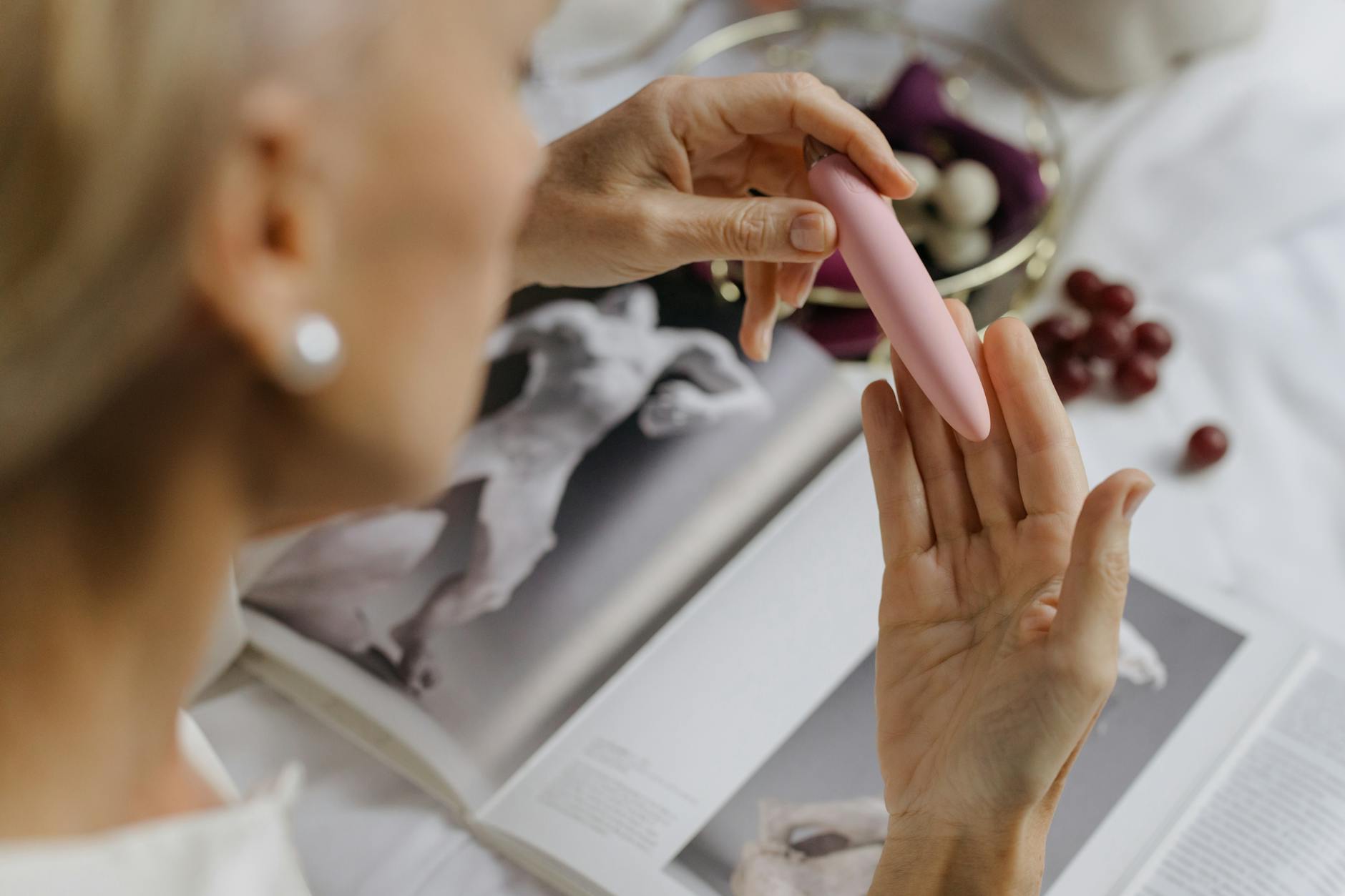
Photo by cottonbro studio on Pexels
Why clitoral suction works differently
Clitoral suction doesn't vibrate. It pulls gently, creating a rhythmic sensation that's fundamentally different from buzzing. That difference matters psychologically and physiologically.
Physiologically, suction stimulates the nerves without the same mechanical friction that some people find triggering. It's less intrusive, more contained. The sensation has a gentler onset. You can feel it building rather than being overwhelmed all at once.
Psychologically, suction feels more like your body responding rather than a toy invading it. The agency feels different. You're drawing pleasure toward yourself rather than accepting it from an external force.
For people in trauma recovery, this distinction isn't semantic. It can be the difference between an experience that retraumatizes and one that helps you reclaim your body.
How to start when everything feels scary
Four practical steps that respect your nervous system.
Step one: exploration without pressure. The first time you engage with a lemon vibrator, don't turn it on. Hold it. Feel it in your hand. Get used to looking at it, touching it, knowing it's yours. This is not a fast step. It can take days or weeks. That's completely fine.
Step two: warm-up with breathing. Before any touch, bring your nervous system down. Three minutes of slow breathing. In for four counts, hold for four, out for six. This activates the parasympathetic nervous system, the part that says "safe." Do this every single time.
Step three: start at the lowest setting. The Lem has multiple intensity levels for a reason. Begin at pattern one. You're not trying to orgasm. You're trying to feel sensation and notice whether it feels safe. If it does, stay there. If it doesn't, stop. Both are information.
Step four: limit sessions to ten minutes. Short, contained sessions help your nervous system trust that pleasure won't overwhelm you. Longer isn't better. Consistent is better than intense.
What to do when something triggers you
You'll be mid-session and suddenly feel unsafe. A smell, a memory, a sensation you weren't expecting. Here's what helps.
Stop. Don't push through. Stopping is not failure. It's your nervous system communicating. Put the toy down. Ground yourself. Five things you can see. Four things you can touch. Three things you can hear. Two things you can smell. One thing you can taste. This is the 5-4-3-2-1 grounding technique. It works.
Then pause. Maybe for a day, maybe for a week. Your nervous system needs to learn that you listen to it. That you won't override its signals. Once you've proven that, trust starts rebuilding.
Many of my clients find that after a trigger, the next successful session is even more powerful because your body learns that you're in control, not trauma.
The role of a partner, if you have one
If you're in a relationship, communication becomes therapy work. Your partner needs to understand that your healing isn't about them, and your pleasure isn't a sign they're failing. Those are two separate conversations that get tangled easily.
Something that helps: let your partner know what safety looks like to you. Specific things. "I need you to check in before touching me. I need you to respect when I say stop. I need you to be patient with setbacks." Clear expectations reduce the nervous system's threat response because you're not waiting for abandonment or pressure.
If you're using The Lem or another lemon clitoral vibrator solo, that's actually often the ideal starting point for trauma recovery. You're building a relationship with your own pleasure first. That's not selfish. That's wise.
When you're ready to explore more intensity
At some point, if healing progresses, you might feel ready to explore stronger settings. Not because you should, but because you want to. That's the key difference.
When that moment comes, think of the intensity levels like a ladder. One rung at a time. Stay at each level until it feels normal, then move up. There's no finish line. There's no "should."
Some people reach pattern three and stop there. Perfect. Others work up to higher intensities. Also perfect. Your pleasure is not a performance. It's an internal experience that belongs to you alone.
The truth about recovery
Reclaiming pleasure after sexual trauma is possible. It's not fast, and it's not always linear, but it is possible. The nervous system can learn safety again. Touch can become a source of joy rather than fear. Orgasms can return, or feel different but still good, or not matter as much as the simple experience of feeling safe in your own body.
The right tool, used with intention and patience, can be part of that healing. A lemon vibrator like The Lem won't fix trauma. But it can be a companion on the journey toward reclaiming what's yours.
FAQ: Trauma recovery and gentle pleasure
Can using a toy make trauma worse? Potentially, if you push too fast or override your nervous system's signals. That's why going slow, respecting triggers, and stopping immediately if something feels unsafe is non-negotiable. Healing happens within your window of tolerance. Stay inside it.
What if I feel nothing when I use a lemon vibrator? Numbness is actually common in trauma recovery. Your nervous system can protect itself by shutting down sensation. Numbness isn't a sign to try harder. It's a sign to slow down further. Sometimes just being present with your body without expecting sensation is the healing work.
Should I tell a therapist I'm using a vibrator during recovery? If you're working with a trauma-informed therapist, yes. They can help you notice patterns, celebrate wins, and troubleshoot when something doesn't feel safe. Good therapists understand that sexual healing is part of recovery.
How do I know if I'm ready to use a toy after trauma? There's no test. But signs include: you've done some therapy work, you can notice when something feels unsafe without judgment, you have moments where your body feels like yours again, and you're curious rather than pressured. Curiosity is green light. Pressure is red light.
What if my body responds differently during healing than before the trauma? It probably will. Pleasure, arousal, sensation can all change. That's not wrong. It's just different. Your body is learning a new baseline. That new baseline might surprise you. Many people find their pleasure deepens as they heal because it becomes truly theirs rather than something they're supposed to perform.
Can clitoral suction feel too intense for trauma recovery? Yes, for some people. If even the gentlest suction feels invasive, that's data. You might need more time before using any toy, or you might find that a different approach works better for you. There's no one path. Your nervous system knows what it needs.