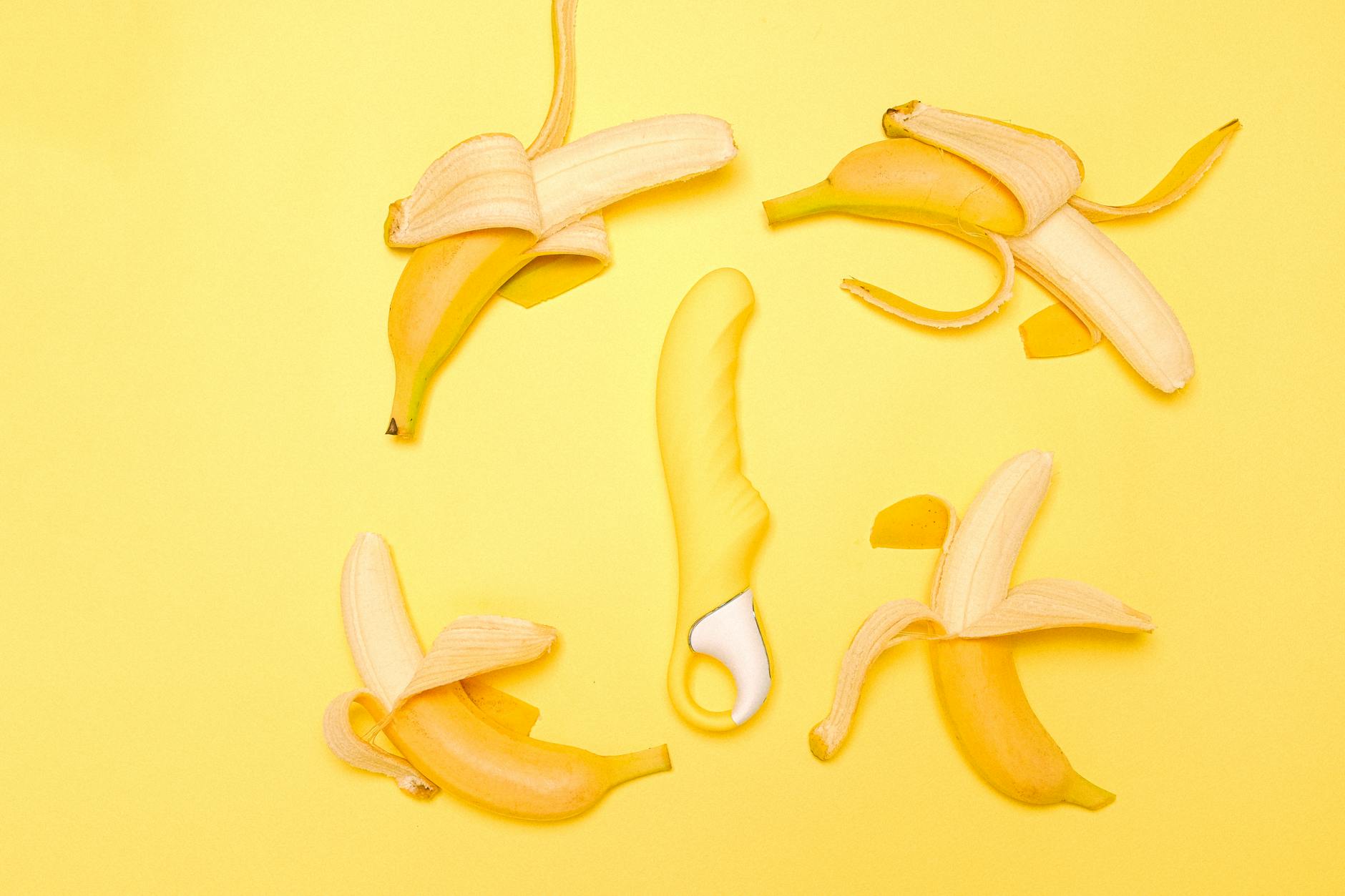
Antidepressants save lives. They also flatten sensation in ways that feel deeply unfair when you're finally feeling stable enough to want pleasure again. Sexual dysfunction isn't a minor inconvenience or a sign you need a stronger dose. It's a real physiological side effect that affects 30-60% of people taking SSRIs or SNRIs, and it deserves real solutions.
Here's the tricky part: stopping your medication isn't the answer. Neither is pretending the numbness will go away on its own. But using the right tools and adjustments? That's where recovery happens.
Antidepressants don't make you numb everywhere. They work by increasing serotonin availability in your brain, which is fantastic for mood and anxiety. But serotonin also modulates arousal, blood flow to genital tissue, and the intensity of orgasmic response. When you start an SSRI or SNRI, your nervous system recalibrates around higher baseline serotonin. That means:
Clitoral engorgement takes longer and feels less pronounced
The buildup toward orgasm flattens out (you're climbing a gentle slope instead of a steep hill)
Orgasms, when they arrive, feel muted or distant, like watching pleasure through thick glass
Lubrication may decrease
The urgency and desire that used to pull you toward sex gets softer
This isn't depression relapsing. This isn't your body broken. This is pharmacology. And it's temporary or manageable with the right approach.
What matters: your clitoral nerve endings are still there. Your capacity for pleasure hasn't vanished. You're working with reduced electrical signal strength, not a dead circuit.
Most vibrators rely on rapid, small-amplitude oscillation. When sensation is already dampened by medication, that fine vibration gets lost in the noise. You end up chasing intensity, ramping up power to 10, and still feeling like you're barely grazing the surface.
Lemon clitoral vibrators like the Lem work differently. They use gentle air-suction stimulation instead of pure vibration. Suction creates a broader, deeper pressure wave that engages more nerve endings at once. For someone whose sensation is blunted by antidepressants, that larger surface activation makes a measurable difference. You're not trying to feel a whisper. You're feeling a real, three-dimensional pull.
Many of my clients on SSRIs report that the Lem is the first device that made orgasm feel achievable again. That's because suction doesn't just tickle dulled sensation. It wakes it up.
If you used to orgasm in 8 minutes before starting antidepressants, you're not going back to 8 minutes. Accept that now. Budget 20-35 minutes instead.
This isn't a loss. It's actually useful. Longer warm-up means more time to actually feel what's happening, which counters the emotional flatness that often comes alongside medication-related sexual dysfunction. You get to be present instead of rushing to a finish line that keeps moving.
Start with the lowest suction setting on your lemon vibrator. Spend 10-15 minutes there. Your goal isn't orgasm yet. Your goal is sensation awareness. Notice what you can feel. Where is there numbness? Where is there responsiveness? That information is gold.
Then increase the intensity by one level every few minutes. Don't jump to high settings expecting magic. Gradual pressure increase teaches your nervous system to register sensation again. You're retraining sensitivity, not forcing it.
Antidepressants often reduce vaginal lubrication. Add a water-based lube, and suddenly your lemon vibrator has better contact with tissue and can create more effective suction. This isn't optional. This is infrastructure.
Use enough that there's a light sheen. Too much and suction breaks. Too little and you get friction without the benefit of sensation amplification. A dime-sized amount on the outside of the vibrator plus a bit inside the labia usually hits the sweet spot.
If you find yourself needing heavier lubrication, that's also medication-normal. Your body isn't lazy. Your estrogen-dependent mucus membranes are responding to hormonal changes from the SSRI. Work with it, not against it.
Here's what antidepressants don't warn you about: you might also be grieving your old sexual response. That familiar intensity is gone. The quickness is gone. That flash-point arousal that used to hit in public or with a thought is now a slow climb, if it happens at all.
That grief is real and worth feeling. But it's also not permanent. What you're building now isn't a replacement for what you lost. It's a different kind of pleasure. Slower, more intentional, often deeper because you're paying attention instead of running on autopilot.
If you have a partner, this is the moment to talk separately from sex. "My nervous system is processing medication differently" is a conversation. "I want us to reconnect" is a different conversation. Mixing them creates pressure, which contracts your nervous system further, which makes sensation even harder to access.
If your medication is working for your mental health but sexual function has flatlined completely, you have options. Some people find relief by:
Shifting to a different SSRI or SNRI (some have lower sexual side effect rates than others)
Adjusting timing (taking your dose right after sex instead of before)
Adding a low-dose sexual function medication (like bupropion as an augmenting agent)
Staying on the same dose but adding a tool like the Lem that works with your current nervous system
None of these decisions should be made alone in the shower with a vibrator. Talk to your prescriber. They've seen this dozens of times. They know what works.
Some people regain sensation within weeks. Most take 2-4 months. Some find their baseline has genuinely shifted and requires adaptation rather than recovery. All of these are normal.
With consistent use of a lemon clitoral vibrator, paired with the warm-up adjustments and mental shifts above, most people report noticeable improvement in sensation intensity and orgasm ability within 6-8 weeks. Not back to baseline. Different. Often better in ways they didn't expect.
Don't measure success by speed or intensity against your pre-medication self. Measure it by whether you felt something real. Whether sensation is climbing instead of flatlined. Whether pleasure feels possible again instead of like a chore.
Maybe, but it's risky. Switching meds mid-stability can trigger mood relapse. A better approach: talk to your prescriber about combining your current medication with a sexual function strategy. That might mean a new med, or it might mean using a tool like the Lem while staying on what's working for your mental health. Your mood comes first. Everything else is negotiation.
No. You won't wear out your nerves by stimulating them. Actually, the opposite is true. Consistent, gentle stimulation helps retrain neural pathways. The risk isn't overuse. The risk is giving up because progress feels slow. Keep using it. Sensation returns through repetition.
You should tell your doctor that you're experiencing medication-related sexual dysfunction and working on strategies to manage it. Whether you mention The Lem specifically is your call. Most prescribers are more supportive than you'd expect, especially if you frame it as "I'm using tools to restore sensation while staying on medication that works for my mental health."
The principles are the same, but the mechanism varies. Tricyclics often cause numbness differently than SSRIs. Talk to your prescriber about your specific medication. What works with an SSRI might need tweaking with something else. But lemon clitoral vibrators work with almost every medication-related sensation issue because they engage a different sensory pathway.
Yes, but not by trying harder or getting frustrated. Your partner helps by: slowing down, getting curious about what you're feeling, adjusting their approach based on what the Lem teaches you about your new sensitivity map, and being patient. Pressure from a partner to orgasm faster is the opposite of helpful. Curiosity and patience accelerate everything.
The timeline is the key. Did sensation flatline shortly after starting or increasing an antidepressant? Does your mood feel stable but your arousal feels muted? Is lubrication decreased? That's medication-related. If the numbness came on gradually over years or appears alongside mood relapse, that's a different conversation. Either way, bring it to your prescriber.
Stabilizing your mental health is non-negotiable. But that doesn't mean accepting sexual shutdown as the price you pay. Lemon vibrators, extended warm-up, lubrication, honest conversations with your prescriber, and patience with yourself are the toolkit that lets you have both. Mental health and pleasure aren't mutually exclusive. They're the same conversation.