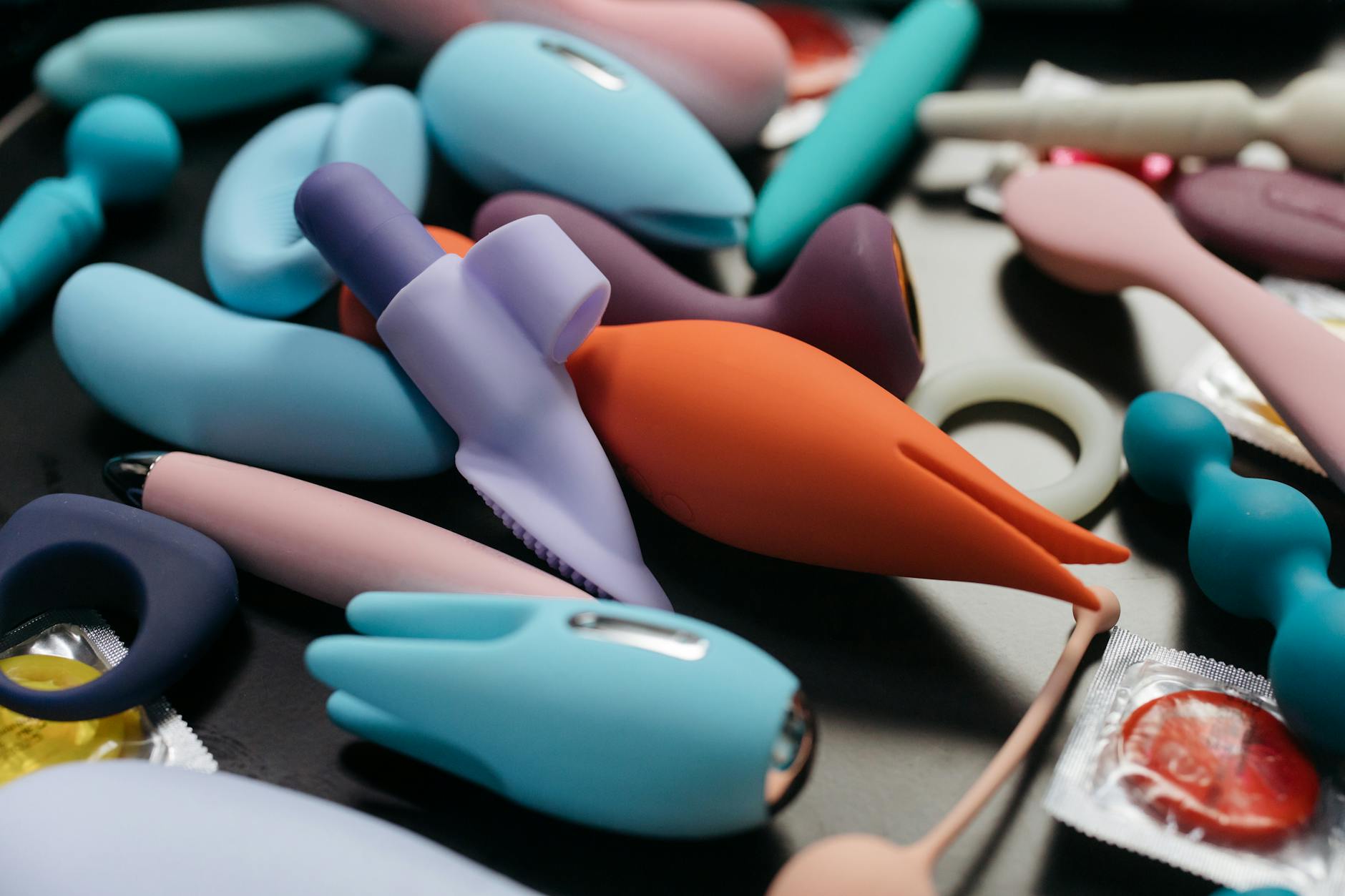
When depression hijacks desire
Depression doesn't just make you sad. It dismantles the whole apparatus of wanting. Your body stops sending those signals. Your brain stops making the chemicals that create anticipation. And then you're left sitting there, knowing you should want sex, knowing it used to feel good, and feeling absolutely nothing. Which somehow feels worse than actual pain.
Honestly? That flatness is one of the cruelest parts of depression that nobody talks about in therapy.
The good news is that rebuilding pleasure during depression recovery isn't about forcing yourself back to "normal" sexuality. It's about creating a gentler on-ramp. And clitoral vibrators like those using suction technology can be that on-ramp because they work with your depleted nervous system instead of against it.
Why depression tanks sexual desire in the first place
This isn't psychological weakness. This is your brain chemistry.
Depression flattens dopamine and norepinephrine—the neurotransmitters responsible for motivation, reward, and anticipation. When those are low, nothing registers as desirable. Not food you normally love, not hobbies, not sex. It's the opposite of horniness. It's a complete absence of "I want." And that absence is chemical, not a reflection of your relationship or your body or your worth.
The added cruel twist: depression also increases cortisol (your stress hormone), which actively suppresses sexual response. Your nervous system gets stuck in a threat-detection mode. Your body isn't designed to prioritize pleasure when it's convinced something is wrong.
Why clitoral suction is different when motivation is zero
Traditional vibrators require you to position them, hold them, build interest gradually. They demand active participation. When depression has flattened your motivation, that friction—literally and figuratively—can feel insurmountable.
Clitoral suction works differently. The Lem and other lemon clitoral vibrators use rhythmic, gentle suction patterns that don't require the same mental activation as traditional vibration. Here's why that matters for depression recovery:
1. It's less cognitively demanding. Your brain doesn't have to narrate the experience. You can just let sensation happen without running commentary.
2. The suction mimics natural arousal pathways. It triggers the same nerve endings that respond to manual stimulation, but without needing you to guide it or think about rhythm. Your body can start responding before your brain catches up.
3. Lower intensity means lower stakes. You don't need to build to a massive orgasm for it to count. A subtle shift in sensation, a moment of connection to your body—that's enough. That's the win.
How to start when you genuinely don't feel like it
This is the hard part. Depression tells you not to bother. Here's how to sidestep that voice.
Schedule it like a therapy appointment. Pick one specific time when you'll spend 10 minutes with a lemon suction vibrator. Not when you're "in the mood." You're not going to be. You're scheduling it because rebuilding pleasure is recovery work, same as taking medication or going to therapy. It's non-negotiable self-care.
Start with zero pressure on outcome. The goal is not orgasm. The goal is not even "getting aroused." The goal is simply to spend time in your body without judgment. If you feel nothing, that's data, not failure. If you feel something subtle, that's a win.
Use lubricant. Depression often tanks natural lubrication. Water-based lube isn't optional—it's essential. It removes the friction of discomfort and lets you focus on sensation.
Pick the lowest setting. Lemon clitoral vibrators have multiple patterns. Start at pattern 1 or 2. Let your nervous system acclimate slowly. You're not trying to force pleasure. You're coaxing it.
Do this solo, at least at first. No performance pressure. No worry about timing or whether your partner is satisfied. Just you and your body relearning what feels okay.
The role of antidepressants (and how to work with them)
Depression medication can affect sexual response. SSRIs especially are notorious for libido dampening. And here's the conversation nobody has: that doesn't mean you should stop taking them. Your mental health is the foundation. Everything else builds from there.
But it's worth knowing that some antidepressants hit desire harder than others. If you've been on the same medication for months and your libido is still completely flatlined, talk to your doctor. There are options—timing adjustments, switching medications, or augmentation strategies. This is a legitimate conversation to have.
In the meantime, clitoral suction can help because it's less dependent on desire and more rooted in direct nerve stimulation. You're not waiting for your brain to want something. You're giving your body a gentle signal, and letting it respond on its own timeline.
When pleasure starts coming back (and it might surprise you)
Recovery isn't linear. Some days you'll feel a flicker of something. Other days the flatness returns. Both are normal.
When sensation does start returning, it often comes back in unexpected ways. You might notice that a pattern you never thought worked actually does. That your body responds differently than it did before depression. That what you wanted sexually five years ago isn't what you want now.
Let that be okay. You're not returning to an old version of yourself. You're discovering a new one.
Many people find that using a lemon vibrator during depression recovery becomes a touchstone moment—a deliberate act of choosing your own body and pleasure, which is its own form of resistance against depression's numbness.
Solo practice vs. partnered exploration
If you're in a relationship, your partner might want to help. That impulse is kind. But during depression recovery, solo exploration is usually the right call first.
Why? Because you need to rediscover sensation without anyone else's expectations or needs in the room. Your partner's desire to "fix" this or help you feel better can accidentally add pressure. And you don't have energy for that right now.
Once you've spent a few weeks with solo practice, once you've felt some kind of response in your own body, then you can invite your partner back in. But lead with honesty: "I'm rebuilding this. I need slow. I need no pressure." If they understand, great. If they get frustrated, that's information too.
The physical side effects of depression on arousal
Beyond the chemical side, depression changes your body.
You might hold tension in your pelvic floor without knowing it—a protective clenching that makes stimulation feel numb or uncomfortable. You might have fatigue that makes extended sessions exhausting. You might be on medications that dry you out or make sensation feel muted.
All of this is workable. Water-based lubricant helps with dryness. Starting at the gentlest setting on your lemon clitoral vibrator respects your energy level. Taking breaks is not failure—it's respecting where you are right now.
Some people find that giving yourself permission to use a vibrator when sensation feels different shifts something psychologically. You stop waiting for desire to show up on its own. You actively participate in rebuilding it.
When to ask for professional support
If depression is severe, a lemon clitoral vibrator is not a replacement for therapy or medication. You need those things first.
But if you're in treatment—you're taking medication, you're seeing a therapist—and you're still struggling to reconnect with pleasure months into recovery, that's worth naming. Some therapists specialize in sexuality and mental health. Some are trained in sex therapy specifically. It's a completely valid thing to ask for.
You might also benefit from talking to your doctor about whether your current medication is the right fit. Sexual dysfunction as a side effect is common and fixable.
A note on patience
Depression recovery is slow. Rebuilding pleasure after depression is slower. You're not going to use a lemon vibrator once and feel better.
But small consistent practices—10 minutes a few times a week with zero pressure—can shift your nervous system gradually. You might not notice it happening. Then one day you'll realize you thought about sex without it feeling like an obligation. You'll feel a flicker of something that wasn't there before. You'll rediscover your body.
That's not a small thing. That's evidence that you're coming back.
People also ask
Can you use a clitoral vibrator if you're on antidepressants?
Completely. Antidepressants and vibrators aren't in conflict. In fact, many people find that a lemon clitoral vibrator becomes part of their depression recovery toolkit precisely because it doesn't depend on desire—it creates the conditions for sensation to happen. Start with gentle settings and water-based lube, and give yourself weeks of consistent practice before expecting major shifts.
How long does it take to feel pleasure again after depression?
It varies widely. Some people notice shifts in 3-4 weeks of consistent practice. Others take months. The timeline depends on depression severity, medication, stress levels, and how long you've been dealing with flatness. What matters is consistency, not speed. Using a lemon vibrator regularly, even if it feels pointless at first, can help train your nervous system to respond again.
What if I still feel nothing even with a vibrator?
That's normal, especially early in recovery. Depression is powerful. Your nervous system learned to shut down sensation as protection. Rebuilding that takes time. If you've tried consistently for 6-8 weeks with zero response, talk to your therapist or doctor. You might need a medication adjustment, or you might benefit from working with a sex therapist who specializes in depression and sexual dysfunction.
Is it okay to use a lemon vibrator if I'm not in the mood?
Not just okay—it's actually the whole point. Depression kills mood. You can't wait for mood to show up. You schedule pleasure practice the same way you schedule therapy or medication. You show up whether you feel like it or not. Sensation often follows action, not the other way around.
Can a partner help me rebuild pleasure if I'm depressed?
Yes, but solo first. Your partner's presence can add performance pressure, even if they mean well. Spend a few weeks exploring alone with a lemon clitoral vibrator, rediscovering what sensation feels like in your body without witnesses. Once you've built some confidence, then invite your partner in with clear boundaries and zero pressure on outcome.
What if my depression medication is killing my sex drive?
This is a real side effect with SSRIs especially. Talk to your doctor. There are options: adjusting the dose, switching medications, taking it at different times, or adding something to counteract the effect. Your mental health is the priority, but sexual function matters too. These conversations are worth having.
Depression convinces you that nothing will ever feel good again. That's the illness talking, not the truth. Rebuilding pleasure after depression is slow, unglamorous work. But it's real work, and it works. A lemon vibrator isn't a cure, but it can be a compassionate tool for reminding your body that sensation, and eventually desire, can come back. Start small. Be patient. Trust the process.