How Lemon Clitoral Vibrators Work When Medication Affects Your Arousal
Here's the thing nobody tells you: pleasure isn't optional. It's also not something you have to sacrifice just because your body needs medication.
Wellness + Pleasure
Antidepressants, blood pressure meds, and hormonal birth control can all dampen sensation. Here's how the right lemon sexual toy helps you reclaim pleasure while staying on your medication.
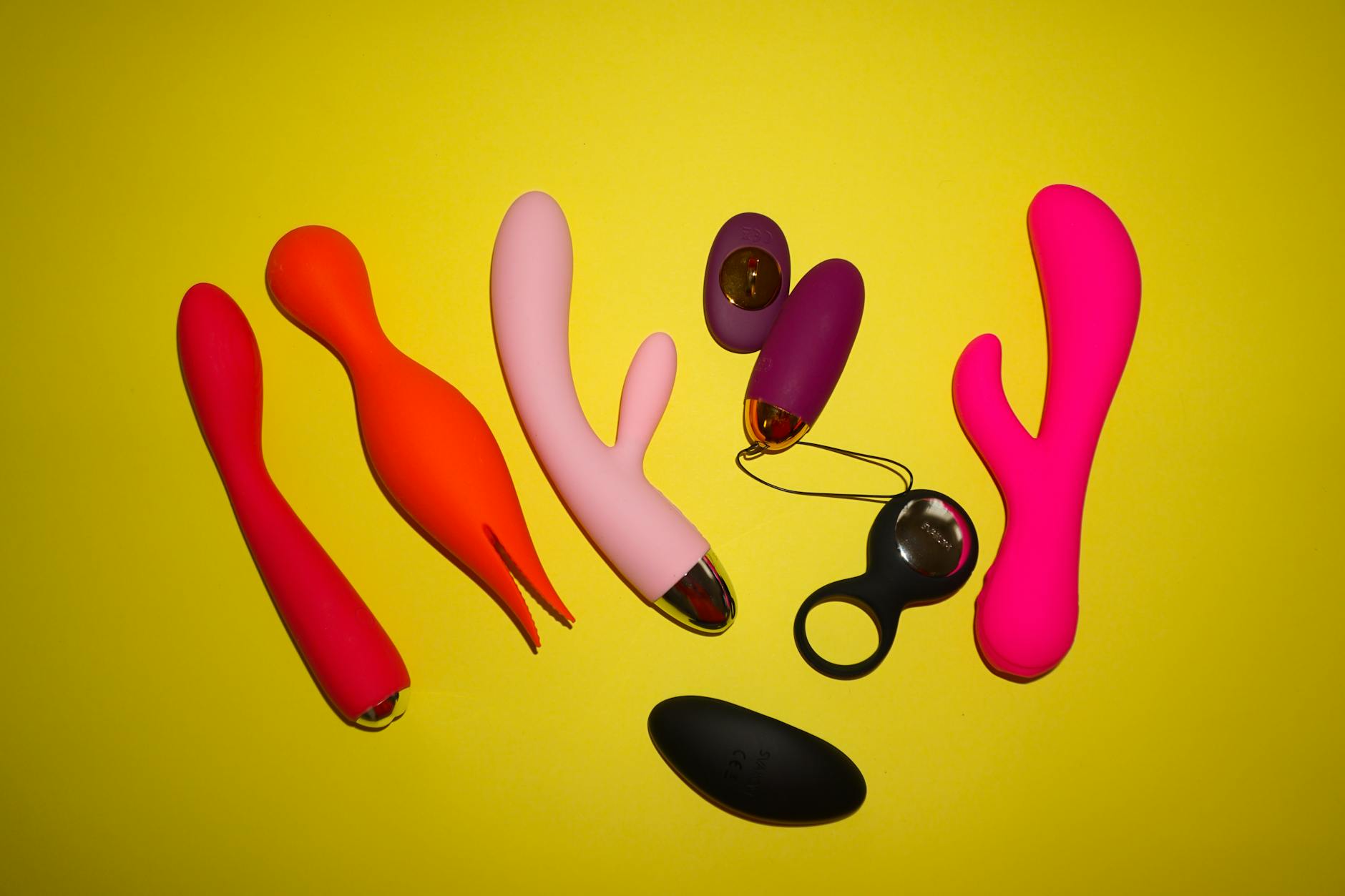
Here's the thing nobody tells you: pleasure isn't optional. It's also not something you have to sacrifice just because your body needs medication.
But that's exactly what happens for millions of people taking antidepressants, blood pressure meds, antihistamines, and hormonal contraceptives. The medications work. The side effect is real. And it's almost never discussed before you start taking them.
I've spent years working with couples navigating this exact friction, and the honest truth is that medication-induced numbness isn't a character flaw or a sign your relationship is failing. It's neurochemistry. And neurochemistry can be worked with.
Let's start with the science, because once you understand what's happening, the fix becomes obvious.
Antidepressants, especially SSRIs (selective serotonin reuptake inhibitors), are the most common culprit. They work by raising serotonin levels in your brain. The problem is that serotonin also suppresses dopamine and norepinephrine, which are the neurochemicals directly responsible for sexual desire and sensation. About 40-60% of people on SSRIs report some form of sexual dysfunction, though many never connect the timing to when they started the medication.
Beta-blockers and ACE inhibitors for blood pressure work differently but land in the same place: they reduce the neural signals that trigger arousal and physical response. Hormonal birth control shifts baseline testosterone levels, which directly impacts clitoral sensitivity. Antihistamines dry out mucous membranes everywhere, including down there.
None of this means you have to choose between mental health and physical pleasure. It means you need different tools.
Most vibrators rely on traditional vibration to trigger the nerve endings in your clitoris. They're built assuming baseline sensitivity. When medication has numbed that sensitivity, a conventional vibrator often feels like pressing a phone on silent against your skin. It's there. You can feel that something is happening. But the sensation doesn't amplify into arousal.
This is where the technology matters. Lemon clitoral vibrators use suction and air-pulse stimulation instead of traditional vibration. This is not a gimmick. It's a fundamentally different approach to nerve stimulation.
When dopamine and norepinephrine are blunted by medication, your clitoris still has all its nerve density. The issue is signal strength. Suction creates a gentler, broader pattern of stimulation that doesn't require as much baseline sensitivity to register as intense. It's the difference between poking someone and gently pulling them toward you. The pull works even when sensation is dampened.
Many of my clients report that a lemon sexual toy designed with suction works where standard vibrators feel like nothing at all.
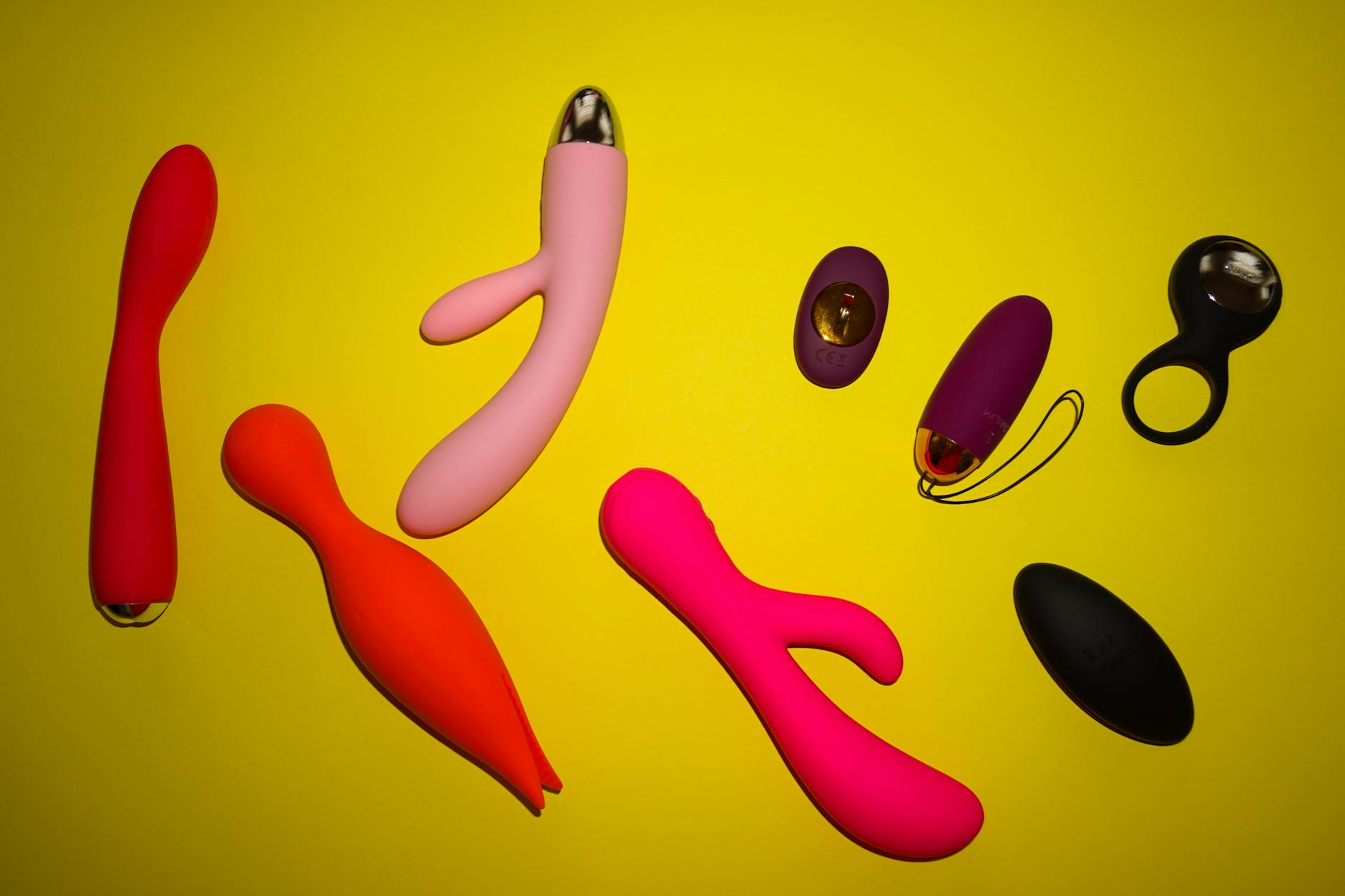
Photo by FounderTips on Pexels
If you're taking an SSRI or similar med, arousal response isn't gone, but it does shift timing. Most people find there's a window when sensation is slightly more accessible. For some, it's first thing in the morning before the day's dose fully kicks in. For others, it's the opposite, with sensitivity improving toward evening.
Pay attention to when you naturally feel more responsive, even a little. Not everyone will notice a pattern, but tracking this for a week or two usually reveals something. Then use that window strategically.
This isn't about forcing pleasure on a schedule. It's about being realistic about neurobiology and working with your body instead of against it.
Here's the neuroscience piece that changed everything for my clients: neuroplasticity. Your brain isn't fixed. When you use a stimulus that does trigger sensation even if baseline sensitivity is low, you're essentially retraining the neural pathway.
A lemon clitoral vibrator that uses air-pulse or suction technology hits differently. It creates stronger sensory input even with dampened baseline sensation. Over time, repeated exposure to stronger stimulation can begin to rebuild the arousal response. It's not instant, but it works.
The Lem, for instance, uses a patented air-pulse system that creates a sensation more like suction than vibration. For people on medication, this often means the difference between feeling nothing and feeling something real enough to build on.
Start at a lower setting and spend time exploring. The goal isn't intensity for its own sake, it's consistent stimulation that your body can actually register. After a few sessions, many people report that sensation begins to come back online in a way that didn't happen with other tools.
If you're in a relationship, medication-induced changes to arousal and pleasure can become a source of real tension. Your partner might interpret dampened response as lack of interest. You might feel defective. Neither is true, and naming that matters.
Have a conversation outside the bedroom. Explain what's actually happening neurochemically. If you're planning to use a lemon sexual toy, frame it as a tool you're both using to maintain intimacy, not a replacement for partnership. Many couples find that integrating a clitoral vibrator into partnered sex becomes a moment of genuine connection rather than a workaround.
Also talk to your prescriber. Some medications can be adjusted for timing, dosage, or type. Some people switch from an SSRI that's particularly hard on arousal to one with fewer sexual side effects. That conversation is worth having, and your doctor needs to know this is affecting you.
If you're using a lemon clitoral vibrator and not feeling much at first, the instinct is usually to go harder or faster. Actually, start gentler. Let your body adjust. Try different patterns and pulse rhythms. The Lem and similar lemon vibrators have multiple settings specifically because different bodies respond to different combinations.
Medication-dulled sensation sometimes responds better to slower, longer pulses than to rapid vibration. Experiment without expectation. You're not trying to force an orgasm, you're building a sensation dialogue with your body.
Many people also find that warm-up time matters more when medication is in play. Spend 10 to 15 minutes with gentle touch, sensation play, or just time allowing arousal to build before bringing in a vibrator at all.
I want to name something that doesn't get talked about: a lot of people grieve their pre-medication sex life. That's valid. And also, you're not stuck there.
Using a lemon clitoral vibrator isn't a downgrade from "real" pleasure. It's a tool that's engineered for exactly this situation: maintaining sensation and arousal when neurochemistry has shifted. Plenty of people without medication-related issues use them because they work incredibly well.
Your pleasure matters, and it deserves resources. That might mean a lemon sexual toy, it might mean therapy, it might mean talking to your doctor about medication timing or alternatives. Most likely it means all of the above.
Because your mental health, physical health, or both depend on that medication. Pleasure is important, but it's not more important than your wellbeing. The entire point here is that you don't have to choose. You can stay on medication that helps you and use tools like lemon vibrators that restore sensation. That's not a compromise, it's having both.
This varies wildly, but most people report noticing a difference within the first three to five sessions. Some feel it immediately. Others need a week or two of consistent exploration before sensation starts coming back online. Neuroplasticity isn't instant, but clitoral nerve endings are remarkably responsive to the right kind of stimulation.
Yes, absolutely. If you're on a combination of meds that together create sexual side effects, a well-designed clitoral vibrator actually becomes more useful, not less. Just be consistent and patient with your body.
Yes, ideally. Not as an accusation or a deflection, but as information. Something like, "My medication is affecting arousal, and I want to explore tools that might help us both feel connected." Most partners respond well to honesty. It shifts the conversation from "something's wrong with me" to "here's how we solve this together."
Completely. In fact, solo exploration with the right tool often helps people rebuild sensation awareness faster. You're not performing for anyone, you're learning your own body. A lemon vibrator gives you the sensory input to build that back.
It depends on the medication and your individual neurobiology. Some people find that consistent use of a tool like the Lem gradually restores enough sensation that they need it less. Others find it becomes a permanent part of their intimacy toolkit. Both are fine. The point is having pleasure, however you get there.
Medication-induced sexual side effects are real, common, and almost never discussed before you start. That's a gap. But it's also one you can close yourself by understanding what's happening and using tools built for exactly this situation.
A lemon clitoral vibrator isn't a workaround for broken pleasure. It's an evidence-based tool designed to deliver sensation in ways that reach you even when your neurochemistry has been altered. That matters. Your pleasure matters.
If you're navigating this, start the conversation with your body and your prescriber. Then explore what's actually available to help. You deserve both the medication you need and the pleasure you deserve.
Want to talk through your specific situation? Reach out at /contact to connect with resources for managing intimacy and medication side effects.
Mohamed, O. L., Köhler, T. S., & Bergman, J. (2020). "Medication-induced sexual dysfunction and treatment strategies." Sexual Medicine Reviews, 8(4), 600-615.
Cambada, L. R., & Carvour, J. (2021). "Understanding SSRI-induced sexual dysfunction: Mechanisms and clinical approaches." Journal of Clinical Psychiatry, 82(3), 20cs13425.
Amsterdam, J. D., & Mamselle, M. (2014). "Antidepressant-induced sexual dysfunction: Underlying mechanisms, diagnosis, and management." Current Psychiatry Reviews, 10(2), 140-149.
Wilson, E., & Wittig, W. (2015). "The role of clitoral sensitivity in female sexual response." Archives of Sexual Behavior, 44(6), 1589-1600.