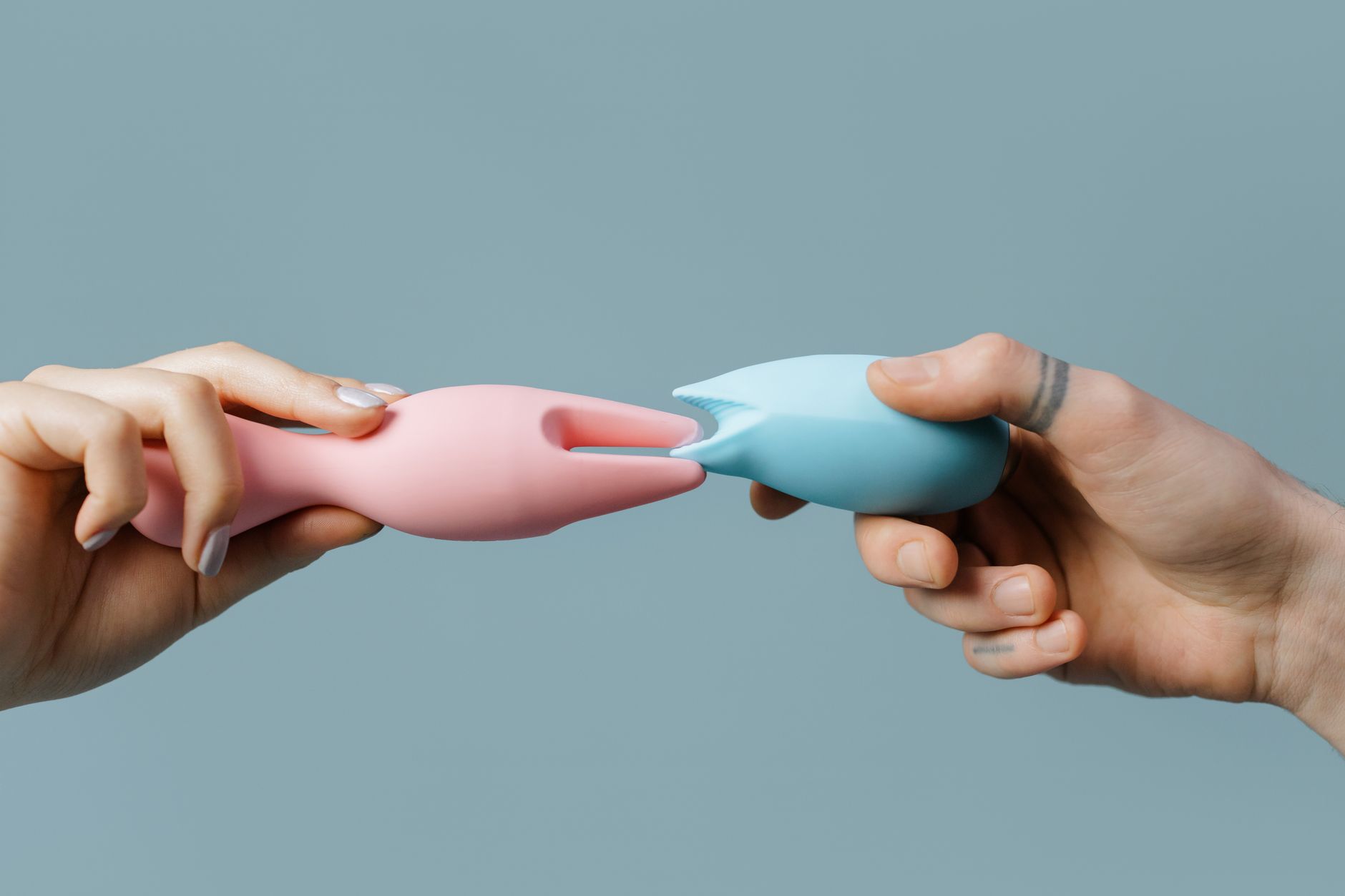
Why Lemon Vibrators Are Different for Pelvic Floor Issues
The suction mechanism in lemon clitoral vibrators works with compromised pelvic floor muscles differently than traditional vibration. Here's what changes, why it matters, and how to use them safely.
If you've been told your pelvic floor is weak, tight, or overactive, you've probably also been told to avoid vibrators. That's not entirely wrong, but it's incomplete. The real issue isn't vibration itself. It's how traditional vibrators interact with compromised pelvic floor muscles.
Your pelvic floor is a basket of muscles that support your bladder, uterus, and bowel. They also wrap around the clitoral complex, which means their health directly affects sensation and pleasure. When these muscles are weak (from pregnancy, aging, or prolonged sitting) or tight (from anxiety, trauma, or vaginismus), stimulation can feel either numb or painfully intense.
Traditional vibrators deliver rapid, repetitive mechanical stimulation. That rhythm works great for healthy pelvic floor muscles because they have enough elasticity and strength to absorb the vibration. But if your pelvic floor is already fatigued or guarded, a traditional vibrator can trigger protective tension. Your body literally clamps down harder in self-defense.
Lemon sexual toys like The Lem use air-pulse technology instead of vibration. Rather than rapid back-and-forth movement, they create gentle suction cycles that stimulate the clitoral nerves in a more distributed way. Think of it as a sustained squeeze rather than a hammer strike.
For people with pelvic floor issues, this matters because suction doesn't aggravate the same neural pathways that traditional vibration does. It's less likely to trigger the reflex tension that makes pleasure feel shut down. Many clients I work with report that their pelvic floor actually relaxes during suction stimulation rather than gripping tighter.
The sustained pressure also allows for slower, longer arousal cycles. If you're someone whose pelvic floor tightens under stress or threat, slower stimulation gives your nervous system time to register safety. That's huge.
Situation 1: Weak or fatigued pelvic floor. If your muscles are depleted from pregnancy recovery, pelvic floor physical therapy, or just decades of tension release, traditional vibration can feel numbing. You have to turn up the intensity to feel anything, which exhausts the tissue further. Suction-based lemon clitoral vibrators require less muscular engagement to register sensation. You feel more at lower intensity levels.
Situation 2: Overactive or hypertonic pelvic floor. This is the flip side. Your muscles are stuck in a tightened state (often from anxiety, trauma history, or vaginismus). A traditional vibrator can make this worse by triggering more guarding. Suction stimulation bypasses that protective reflex because it's not mechanical banging. The sustained pressure actually teaches the muscles to release.
Situation 3: Inconsistent sensation or numbness. Sometimes your pelvic floor is fine, but the nerves serving the clitoris are underactive or desensitized (from hormonal shifts, medication, or prolonged tension). Suction technology stimulates a wider nerve field than a single point of vibration does. The Lem's design creates a seal around the clitoral hood, engaging more tissue surface at once.
If you're new to this, start with the lowest intensity setting. I'm serious. Most people expect to work up to higher levels over weeks. With a lemon vibrator and pelvic floor sensitivity, lower usually means more pleasure because your muscles can actually relax.
Budget longer sessions. Fifteen to twenty minutes, moving through the intensity levels slowly. Your pelvic floor needs time to recognize that stimulation isn't a threat. Rushing defeats the purpose.
Use lube generously, even if you think you don't need it. Lubrication reduces friction and allows the suction seal to work smoothly, which means gentler overall sensation. It also signals to your nervous system that this is a low-pressure experience.
Breathe deliberately. Hold your breath and your pelvic floor tightens automatically. People with pelvic floor dysfunction often unconsciously hold their breath during arousal because tension feels familiar. Make a conscious effort to breathe slowly throughout. It's the fastest way to teach your pelvic floor that pleasure and release go together.
If you have diagnosed vaginismus, pelvic pain disorder, or recovering pelvic floor dysfunction, talk to a pelvic floor physical therapist before trying any vibrator. They can assess where you're at and give you the green light (or suggest specific modifications). Most PT approval extends to lemon vibrators specifically because the suction mechanism is less invasive than traditional vibration.
If you experience pain during or after using a lemon vibrator, stop immediately. Pain is information. It means either the intensity is too high, your pelvic floor needs more time to adapt, or there's an underlying issue that needs clinical attention.
The same goes if you feel increased urgency to urinate or bladder pressure during use. A skilled pelvic floor PT can help you figure out whether that's normal adaptation or a sign to pause.
Here's something that gets lost in the clinical conversation: your pelvic floor health is not separate from your pleasure. They're the same system. When your pelvic floor is weak or locked down, pleasure genuinely becomes harder to access, not impossible. The nervous system literally can't fully open when the muscles stay guarded.
Lemon sexual toys work with that reality instead of against it. They're designed for people whose bodies need a gentler approach. That's not a compromise or a second-best option. That's using the right tool for your specific situation.
Many people find that regular, comfortable use of a lemon clitoral vibrator actually strengthens and rebalances their pelvic floor over time. Not through kegels, but through the feedback loop of relaxation plus gentle stimulation. Your pelvic floor learns through experience that pleasure is safe.
If traditional vibrators have felt off-limits because of pelvic floor issues, that doesn't mean vibrators aren't for you. It means you haven't found the right tool yet. Lemon vibrators exist for people whose bodies need something different. Your pleasure matters, and it shouldn't require suffering through a tool that makes you tense up.
Maybe, but only under guidance. Vaginismus is an involuntary muscle contraction, so anything that triggers tension is risky. A pelvic floor physical therapist can help you determine if suction-based stimulation is appropriate for your stage of recovery. Many people find that once their pelvic floor is more responsive, lemon clitoral vibrators become a helpful addition to their pleasure practice.
Not universally better. Better depends on your specific situation. For weak or overactive pelvic floors, suction is often gentler. For some people with numbness, traditional vibration combined with longer sessions works fine. The key is experimenting safely and paying attention to what your body actually prefers, not what you think you should prefer.
Start with once or twice a week, twenty minutes or less. Your pelvic floor needs recovery time just like any muscle. If you're also doing pelvic floor physical therapy, ask your PT for guidance on frequency. Some people benefit from daily gentle use; others need more space between sessions.
No, if used correctly. In fact, the opposite is more common. Regular, low-intensity use combined with conscious relaxation actually helps retrain your pelvic floor's responsiveness. The key is consistency and listening to your body's feedback.
Ask your PT directly, but most will say yes after you've made initial progress. Some therapists even recommend specific tools like the lem vibrator as part of home practice because they support the relaxation work done in sessions.
Traditional vibrators use mechanical oscillation, which requires your pelvic floor muscles to absorb repeated movement. Lemon sexual toys use air-pulse suction, which distributes stimulation across a wider area and triggers less protective tension. For compromised pelvic floors, suction is typically gentler and more sustainable.
Pelvic floor dysfunction is real, and it changes what feels good. But it doesn't lock you out of pleasure entirely. The right tool, used with patience and self-awareness, can actually help your body remember how to relax into sensation. Lemon vibrators exist because some bodies need that specific approach. If that's you, that's not a limitation. That's information about what works.